U.S. Carriers Fix SMS Routing Vulnerability That Let Hackers Hijack Texts
Major carriers in the U.S. like Verizon, T-Mobile, and AT&T have made a change to how SMS messages are routed to put a stop to a security vulnerability that allowed hackers to reroute texts, reports Motherboard.
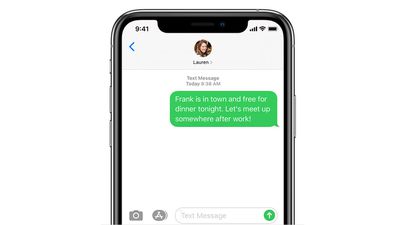
Carriers introduced the change after a Motherboard investigation last week revealed how easy it is for hackers to reroute text messages and use the stolen information to break into social media accounts. The site paid a hacker $16 to reroute texts using the tools of a company called Sakari, which helps businesses with mass marketing.
Sakari offered a text rerouting tool from a company called Bandwidth, which was supplied by another company called NetNumber, resulting in a confusing network of companies contributing to a vulnerability that left SMS texts open to hackers (Motherboard has more information on the process in its original article). The hacker hired by Motherboard was able to access Sakari's tools without any authentication or consent from the rerouting target, successfully getting texts from Motherboard's test phone.
Sakari is meant to allow businesses to import their own phone number for sending mass texts, which means a business is able to add a phone number to send and receive texts through the Sakari platform. Hackers could abuse this tool by importing a phone number of a victim to get access to the person's text messages.
Aerialink, a communications company that helps route text messages, said today said that wireless carriers are no longer supporting SMS or MMS text enabling on wireless numbers, something that "affects all SMS providers in the mobile ecosystem." This will prevent the hack demonstrated by Motherboard last week from working.
It is not clear if this text rerouting method was widely used by hackers, but it was easier to pull off than other smartphone hacking methods like SIM swapping. A Security Research Labs researcher said that he had not seen it before, while another researcher said it was "absolutely" in use.
Popular Stories
In his Power On newsletter today, Bloomberg's Mark Gurman said Apple will have a three-day stretch of product announcements from Monday, March 2 through Wednesday, March 4. In total, he expects Apple to introduce "at least five products."
Subscribe to the MacRumors YouTube channel for more videos.
A week ago, Apple invited selected journalists and content creators to an "Apple Experience" in...
Apple's software engineers are testing iOS 26.3.1, according to the MacRumors visitor logs, which have been a reliable indicator of upcoming iOS versions.
iOS 26.3.1 should be a minor update that fixes bugs and/or security vulnerabilities, and it will likely be released within the next two weeks.
Last month, Apple released iOS 26.2.1 with bug fixes and support for the second-generation...
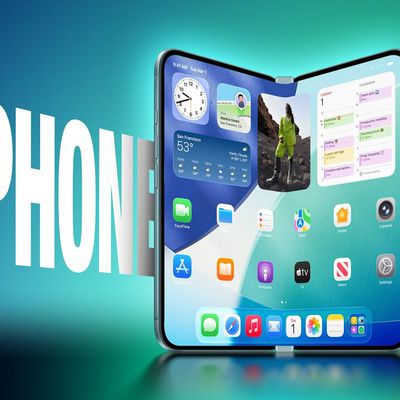
Apple is expected to launch a new foldable iPhone this year, based on multiple rumors and credible sources. The long-awaited device has been rumored for years now, but signs increasingly suggest that Apple will release its first foldable device in 2026.
Subscribe to the MacRumors YouTube channel for more videos.
Below, we've collated an updated set of key details that have been leaked about ...
The special new color that Apple is considering for the iPhone 18 Pro and iPhone 18 Pro Max this year is red, according to Bloomberg's Mark Gurman.
Specifically, he said that Apple is testing a "deep red" finish for the two devices.
If this rumor materializes, it would be the first time that the Pro and Pro Max models ever come in red, and the iPhone 18 Pro models would be the first...
Apple has been developing a more affordable version of the MacBook, and it's rumored to be launching in under two weeks. This is going to be one of Apple's most unique Macs, because there hasn't really been anything quite like it before.
We've rounded up everything we know about the low-cost MacBook ahead of its March debut.
Design
Rumors about the MacBook's design make it sound a lot...