Over the past several days, a slew of battery tests on the iPhone 6s and the iPhone 6s Plus have revealed some performance differences between models that have an A9 chip manufactured by TSMC and those with an A9 chip created by Samsung. While various benchmarking and real world usage tests have shown differences of 6 percent to 22 percent, in favor of TSMC chips, Apple says that its own testing has shown battery life variations of only two to three percent.
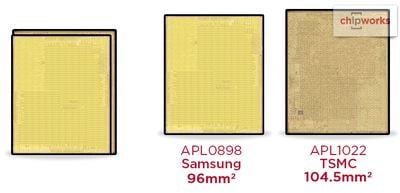
In a statement given to TechCrunch, Apple says that it has done internal testing and gathered customer data to determine the performance difference between the two chips in the iPhones.
With the Apple-designed A9 chip in your iPhone 6s or iPhone 6s Plus, you are getting the most advanced smartphone chip in the world. Every chip we ship meets Apple's highest standards for providing incredible performance and deliver great battery life, regardless of iPhone 6s capacity, color, or model.
Certain manufactured lab tests which run the processors with a continuous heavy workload until the battery depletes are not representative of real-world usage, since they spend an unrealistic amount of time at the highest CPU performance state. It's a misleading way to measure real-world battery life. Our testing and customer data show the actual battery life of the iPhone 6s and iPhone 6s Plus, even taking into account variable component differences, vary within just 2-3% of each other.
Apple says that early battery benchmark tests conducted by customers, such as those we shared yesterday, are not reflective of real world usage conditions. The two to three percent difference that Apple has seen in data gathered from customers is "well within its manufacturing tolerances" and is a level of variation that could be seen between two devices with the same chip.
Apple's statement on real world usage reflects what recent YouTube tests have revealed. Side-by-side battery tests comparing a TSMC iPhone and a Samsung iPhone did not show differences as dramatic as benchmark tests have shown, but those videos are also not quite indicative of real world usage results. On the MacRumors forums, opinions on battery life have been highly mixed. While some users with Samsung chips have reported poor battery life, others have not reported issues.




/https://forums.macrumors.com/proxy.php%3Fimage=http://i.imgur.com/J70oQIZ.jpg&hash=39fb66a9791680b7816ecf50d6739587)