The iPhone 15 and iPhone 15 Plus are Apple's latest standard iPhone models, sporting some bigger upgrades than seen in recent years, but how different really are they compared to 2021's iPhone 13?
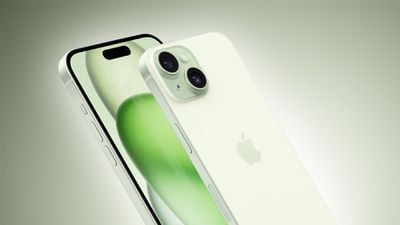
Apple released the iPhone 13 in late 2021 and has bumped it down in price since then to make it more accessible as new models have been released, and it now starts at just $599. The latest models, the iPhone 15 and iPhone 15 Plus, start at $799 and $899, respectively.
The iPhone 14 and iPhone 14 Plus sit in the middle of the iPhone lineup at $699 and $799, but since the upgrades that these devices offer over the iPhone 13 are relatively small, a significant number of users may now be weighing up whether to get the iPhone 13 or the iPhone 15, and skip over the iPhone 14 in their considerations. Likewise, existing iPhone 13 users may be wondering what there is to gain by upgrading to an iPhone 15 model.
Our guide helps to answer the question of how to decide which of these two iPhone models is best for you, and serves as a way to clearly see the differences that the iPhone 15 brings to the table. This article focuses on the iPhone 13 and iPhone 15, but to understand the differences between the iPhone 14 and iPhone 15, see our other buyer's guide:
The iPhone 13 and iPhone 15 both feature the same improved water resistance, Ceramic Shield glass, 12-megapixel ultra wide camera, support for MagSafe accessories, and more. The iPhone 15 offers a large number of substantial upgrades, such as the Dynamic Island, USB-C port, and 48-megapixel main camera.
| iPhone 13 | iPhone 15 and iPhone 15 Plus |
|---|---|
| Aluminum chassis with squared-off edges | Aluminum chassis with contoured edges |
| Glossy glass back | Color-infused frosted glass back |
| Thickness of 7.65mm | Thickness of 7.80mm |
| Weighs 174 grams | Weighs 171 or 201 grams |
| "Notch" TrueDepth camera array | Dynamic Island |
| 800 nits max brightness (typical) | 1,000 nits max brightness (typical) |
| 1,200 nits peak brightness (HDR) | 1,600 nits peak brightness (HDR) |
| 2,000 nits peak brightness (outdoor) | |
| A15 Bionic chip | A16 Bionic chip |
| 5-core GPU | 5-core GPU with 50% more memory bandwidth |
| 12-megapixel main camera with ƒ/1.5 aperture | 48-megapixel main camera with ƒ/1.6 aperture |
| 12-megapixel front-facing camera with ƒ/2.2 aperture | 12-megapixel front-facing camera with ƒ/1.9 aperture and autofocus |
| 0.5x and 1x optical zoom options | 0.5x, 1x, and 2x optical zoom options |
| 24- and 48-megapixel super-high-resolution photos | |
| Photonic Engine | |
| Smart HDR 4 | Smart HDR 5 |
| Portrait mode with Focus and Depth Control | Next-generation portraits with Focus and Depth Control |
| Night mode and Night mode portraits | Improved Night mode and Night mode portraits |
| Cinematic mode for recording videos with shallow depth of field (1080p at 30 fps) | Cinematic mode for recording videos with shallow depth of field (4K HDR up to 30 fps) |
| Action mode | |
| Improved audio quality on phone calls | |
| First-generation Ultra Wideband chip | Second-generation Ultra Wideband chip (connects from 3x further away) |
| Precision Finding for Find My friends | |
| Bluetooth 5.0 | Bluetooth 5.3 |
| Emergency SOS | Emergency SOS via satellite |
| Crash Detection | |
| Lightning port | USB-C port |
| Support for Qi wireless charging | Support for Qi2 wireless charging |
| Setting to prevent charging above 80% | |
| Battery manufacture date, first use, and cycle count information in Settings | |
| 19-hour battery life | 20- or 26-hour battery life |
| eSIM optional | eSIM only (in the U.S.) |
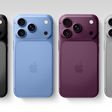
| Green, Pink, Blue, Midnight, Starlight, and PRODUCT(RED) color options | Yellow, Blue, Pink, Green, and Black color options |
The iPhone 15's upgrades over the iPhone 13 are substantial, offering a more refined and appealing design with contoured edges, frosted back glass, and the Dynamic Island. Features like the brighter display and USB-C port are meaningful quality-of-life enhancements that all users will be able to take advantage of. The 48-megapixel main camera, 2x optical zoom option, next-generation portraits, Smart HDR 5, and improved Night mode also make for a significant overall camera improvement for average users. Iterative changes like the A16 Bionic chip and support for Qi2 are also welcome refinements.
- iPhone SE vs. iPhone 13 Buyer's Guide: Comparing Apple's Cheapest iPhones
- iPhone 13 vs. iPhone 14 Buyer's Guide: Comparing Apple's Mid-Range iPhones in 2023
Existing iPhone 12 or iPhone 13 users should certainly consider upgrading to the iPhone 15 or iPhone 15 Plus, but it is not essential. Users of the iPhone 11 or older still have much to gain by upgrading to an iPhone 13, especially if budget is an important limiting factor, but the iPhone 15 will be a much more worthwhile upgrade if you can afford it. The iPhone 15 has a range of improvements that are likely to make it age better and be slightly more useful over time, warranting its higher price.
For everyday users, it is important to remember that the switch to USB-C on the iPhone 15 will make any Lightning cables and accessories you have redundant, meaning you'll need to purchase a $29 adapter or use a new cable. If you're coming from a much older device, you will also likely need to buy a new power adapter. If you are unhappy about this change, then it may be worth sticking with what you have for another year or the iPhone 13, but it is worth highlighting that the switch to USB-C is beneficial in the long term since it is a standard port used across a wide range of devices.