Apple Stops Signing iOS 18.4.1
Apple today stopped signing iOS 18.4.1, a week after releasing the iOS 18.5 update. Because iOS 18.4.1 is no longer being signed, iPhone users who upgraded to iOS 18.5 are no longer able to downgrade to the previous version of iOS.
"Signing" is a server-side verification check that Apple does when iOS is downloaded onto an iPhone. An update can't be downloaded and installed unless it passes the verification check, and the unsigning process prevents customers from installing outdated versions of iOS that are not as secure.
Apple typically stops signing older software about a week after releasing an update, and doing so ensures that customers have the latest security improvements and are not vulnerable to known attacks.
iOS 18.5 added new wallpaper, a Screen Time password change for parents, and support for carrier-provided satellite features on iPhone 13 models. It also addressed more than 30 security vulnerabilities.
Apple has also stopped signing iPadOS 17.7.6, because it released iPadOS 17.7.8 earlier today as a replacement for the iPadOS 17.7.7 update that was causing issues for some people.
Popular Stories
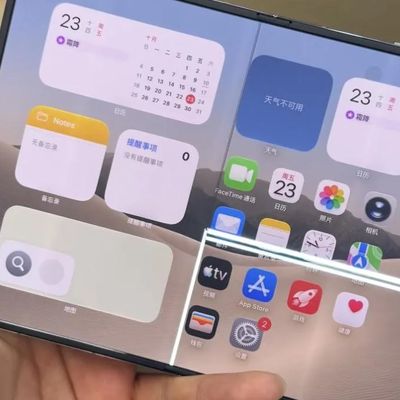
Shortly after the iPhone Duo launched, a few users reported hinge issues that were causing cracks in the inner display. Apple has now responded to the reports in a statement to MacRumors, saying a small number of units are affected.
The response to iPhone Duo from early users has been incredibly positive, and we are seeing exciting things from developers who are rapidly updating their apps...
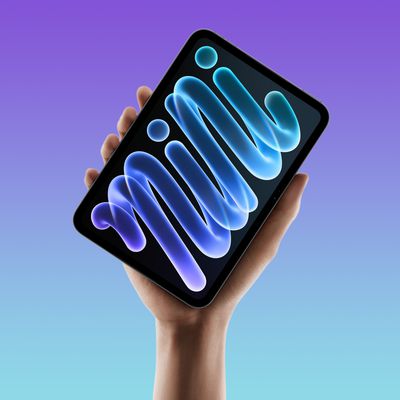
Apple today announced a new iPad mini with a larger 8.5-inch OLED display, a nano-texture display option, a thinner and lighter design, an A20 Pro chip, a new Acoustic Display audio system that eliminates speaker holes, IP67-rated water and dust resistance, a landscape front camera, Apple's N1 chip with Wi-Fi 7 and Bluetooth 6 support, and more. Altogether, Apple says this amounts to the iPad...
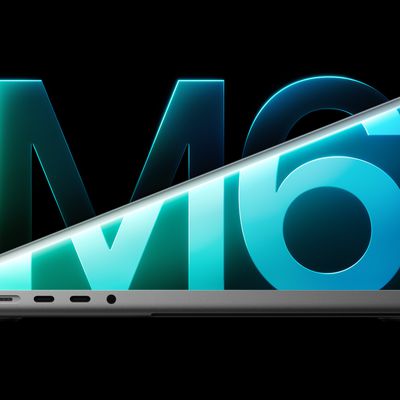
Apple today announced a refreshed 14-inch MacBook Pro featuring the M6 chip, upgraded connectivity specifications, and more.
The M6 chip in the MacBook Pro features a 12-core CPU with 2 super cores, 4 performance cores, and 6 efficiency cores, paired with a 12-core GPU. This is up from the M5 chip with a 10-core CPU with 4 super cores and 6 efficiency cores, paired with a 10-core GPU.
M6...