

All four iPhone 13 models feature a new Cinematic mode that lets users record video with a shallow depth of field and automatic focus changes between subjects, and TechCrunch's Matthew Panzarino spoke with Apple marketing executive Kaiann Drance and designer Johnnie Manzari to learn more about how the feature was developed.
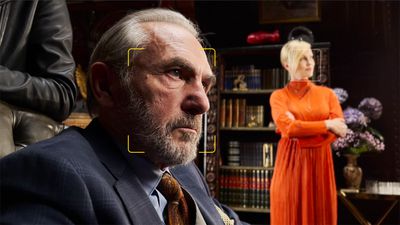
Drance said Cinematic mode was more challenging to implement than Portrait mode for photos given that rendering autofocus changes in real time is a heavy computational workload. The feature is powered by the A15 Bionic chip and the Neural Engine.
We knew that bringing a high quality depth of field to video would be magnitudes more challenging [than Portrait Mode]. Unlike photos, video is designed to move as the person filming, including hand shake. And that meant we would need even higher quality depth data so Cinematic Mode could work across subjects, people, pets, and objects, and we needed that depth data continuously to keep up with every frame. Rendering these autofocus changes in real time is a heavy computational workload.
Manzari added that Apple's design team spent time researching the history of filmmaking and cinematography techniques for realistic focus transitions.
When you look at the design process, we begin with a deep reverence and respect for image and filmmaking through history. We're fascinated with questions like what principles of image and filmmaking are timeless? What craft has endured culturally and why?
Manzari said Apple observed directors of photography, camera operators, and other filmmaking professionals on sets to learn about the purpose of shallow depth of field in storytelling, which led Apple to realize the importance of guiding the viewer's attention.
The full interview goes into more detail about the work that went into Cinematic mode and highlights Panzarino's testing of the feature at Disneyland.















Top Rated Comments
go. Just consider it as the new Animoji, but one with potential. Hopefully Apple will perfect it with software and not require a new iPhone to get better quality. Also watching Zollotechs review, I still don’t see the 35 mm film quality.
Does anyone really believe that buying that sports car will make them a better driver, or that kitchen gadget will make you a chef? Of course not, but professional drivers and chefs will take their money and help the marketing people to give us what we want. And we want to be seduced....
We don't have our own TV studio, so the fact it's not the same as pro gear makes no difference. Most people have no want or need for pro gear anyway. What people want is a good enough image to share with their friends, so they can see it on the 6" screen of their phone. This particular feature will appeal to some and will allow them to justify the purchase to themselves. For others, it may be longer battery life or whatever. None of us need this stuff, but we do want it.
It's been going on since the dawn of advertising and this is no different.
Look what happened to Nike once they got Michael Jordan on board. It was another shoe, just like all the others they had made, but suddenly the target market was seduced and Nike went massive.
But if you’ve got kids who are in film classes and they need to at least practice applying some of the principles that pros with the house-mortgage expensive equipment use, it’s not a bad start. They may even be able to produce sellable results that will help them on their way to true professional grade stuff.
Not that any of this stuff is cheap and Cinema mode is far from polished, but it’s more accessible than pro grade equipment. And that’s important to learning principles and processes that will help make the PERSON a pro someday.
You are right, they should just give up. If a $1000 multipurpose device can't match a $100,000 custom built tool what's the point? :rolleyes: