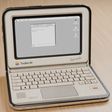
Several readers have noted IBM's announcement that they will be releasing a PowerPC-Linux based reference platform.
IBM says it will make its blueprint easily accessible to a wider range of developers by charging a low price for it--allowing the company to pit its PowerPC-Linux combination as an alternative to operating systems like the Palm OS and Motorola's processors or Microsoft's Pocket PC software and Intel's Xscale processors.
Of interest, the reference platform will not seem to have very strict requirements (no logo is required, no specific screen size). According to the article, IBM hopes to encourage small businesses and even individuals to be able to purchase the design for use.
The significance of this announcement in the relatively small PDA world could be remarkable, and will certainly spawn discussion and speculation about future Apple involvement. No hints at official Apple involvement have surfaced... though even without Apple's involvement, the emergance of a relatively "open" platform may be very interesting.
Friday October 23, 2026 11:05 am PDT by Juli Clover
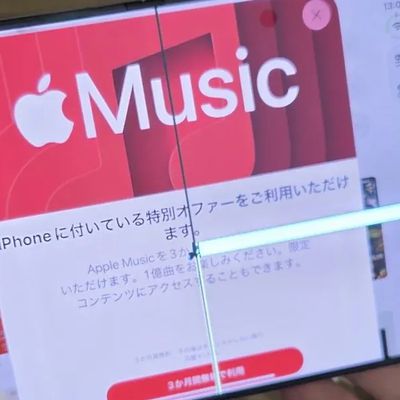
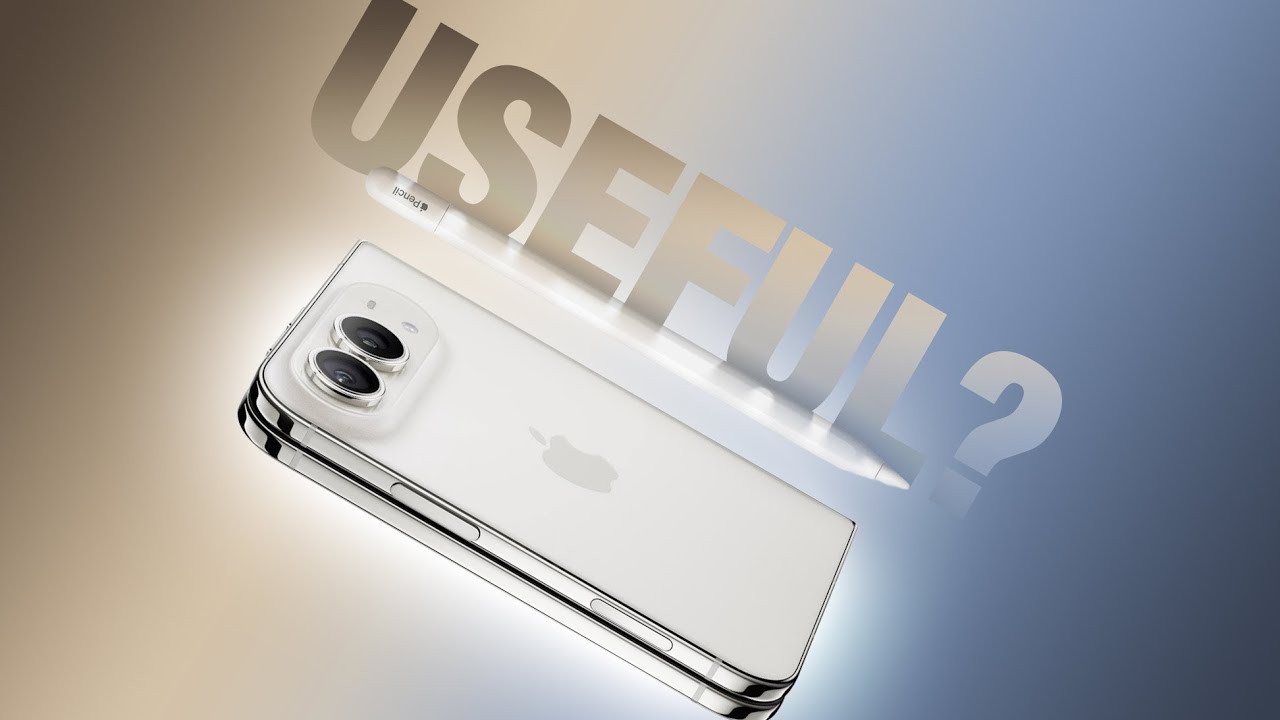
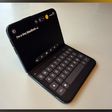
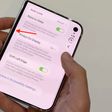
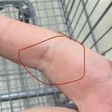
Some iPhone Duos are already experiencing hinge issues that cause display cracks, based on photos shared on Reddit and the MacRumors forums. Almost all of the display faults are right along the hinge, and most result in a line of bright pixels across one side of the screen.
An iPhone Duo owner in Australia said his device cracked after being opened fewer than 20 times, and there was no...
Friday October 23, 2026 7:11 am PDT by Joe Rossignol
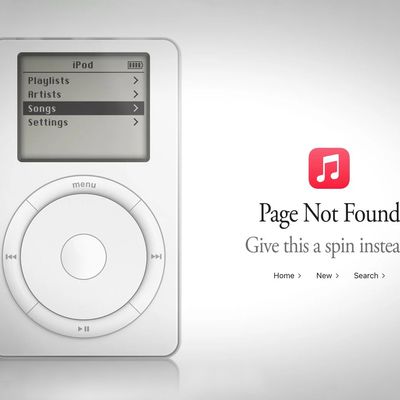
Apple Music has a 404 page easter egg on the web: a functional iPod that appears when you load a page that does not exist, such as music.apple.com/macrumors.
"Page Not Found," says Apple. "Give this a spin instead."
Apple is clever with this. If you navigate to music.apple.com/ipod instead, the page says "Looking for something?" instead of "Page Not Found."
The easter egg is only...
Saturday October 24, 2026 11:27 am PDT by Tim Hardwick
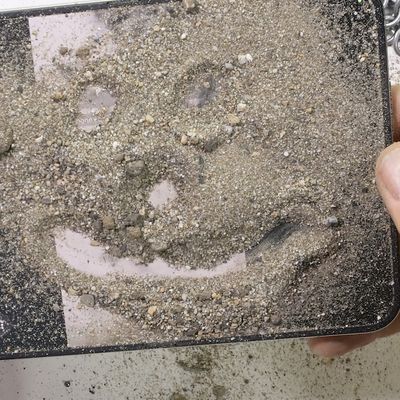
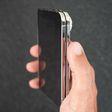
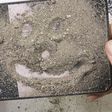
Apple's iPhone Duo has failed JerryRigEverything's latest durability test. Despite its IP68 dust-resistance rating, dust entered the hinge through several ingress points, overwhelming the magnets that hold the phone shut. The bend test then left a permanent green line across the inner display, before the screen became unresponsive.
The outer screen with Ceramic Shield 2 scratched at level 7...