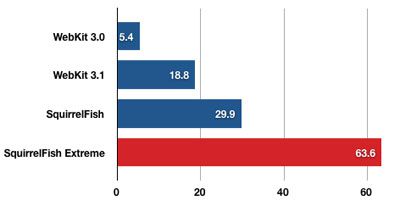
The Webkit blog has posted benchmarks on their "next generation" JavaScript interpreter called SquirrelFish Extreme (SFX). SquirrelFish Extreme uses "more advanced techniques" to deliver even faster JavaScript performance.
The new version of SquirrelFish is nearly twice as fast the first version of SquirrelFish which we previously reported on. It is also over three times faster then the current Safari 3.1 version that is available from Apple.
JavaScript is heavily used in many modern interactive websites, including Apple's own MobileMe web apps. Google is also investing heavily in improving JavaScript performance and is working on their own accelerated JavaScript interpreter called V8. According to one blog, SquirrelFish Extreme is 38% faster than the current version of V8.
SquirrelFish Extreme is available in the nightly betas of Webkit for personal testing, and should eventually make its way into future Safari releases.
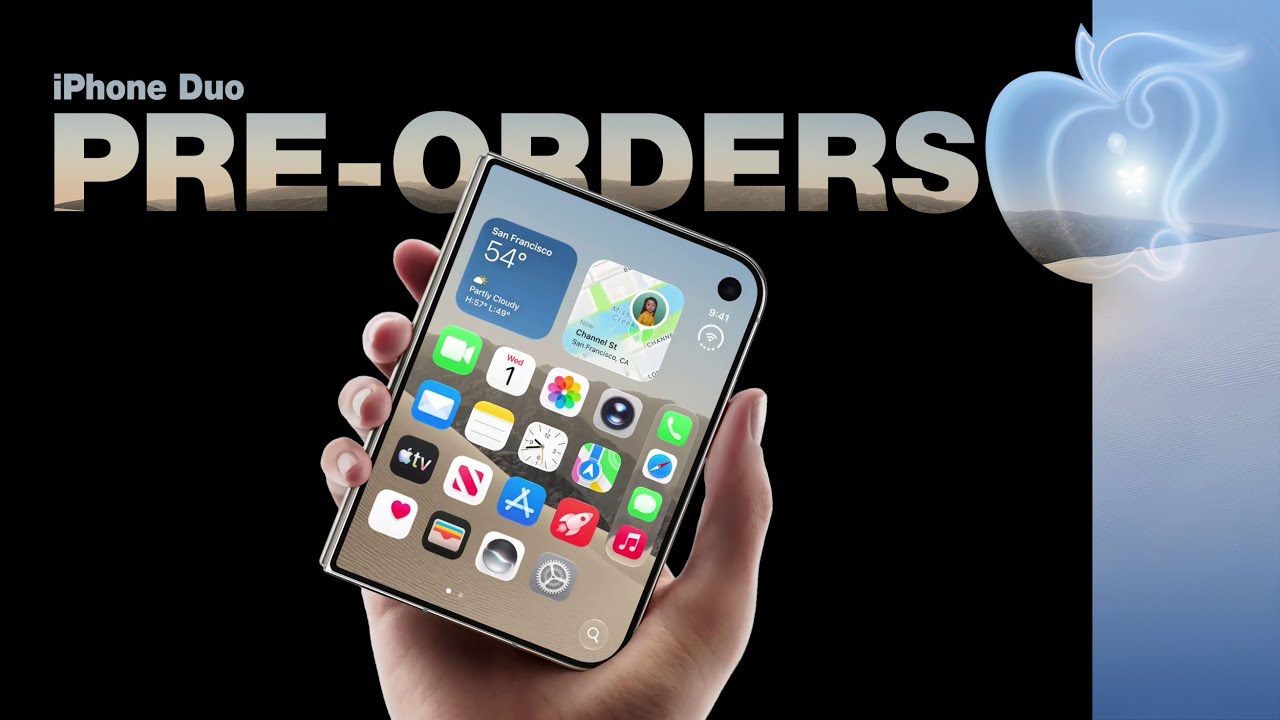
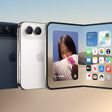
Some Apple retail employees have been told to warn customers against visiting to purchase an iPhone Duo without a pre-order on Friday, October 23.
Apple Store employees told MacRumors that they have been advised that there will likely be no iPhone Duo stock available for walk-in purchases on launch day. Staff have been instructed to discourage customers without pre-orders from coming in...
Friday October 16, 2026 4:37 pm PDT by Juli Clover
Verizon plans to charge customers $10 per month for the iPhone Handoff feature that Apple added in iOS 27. iPhone Handoff allows one phone number to be shared across two separate iPhones.
Pricing was included in Verizon's iPhone Duo announcement today, with the carrier confirming iPhone Handoff will work with the iPhone Duo and the iPhone 18 Pro models.
Verizon will support iPhone Handoff,...
Apple has begun inviting selected members of the media to a product launch experience in Los Angeles on Wednesday, October 28, according to Bloomberg's Mark Gurman.
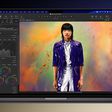
In a post on X, Gurman described the gathering as an "all-day product launch experience" for touchscreen MacBooks, a new iPad mini, and Macs equipped with M6 chips.
Gurman previously reported that Apple would introduce the...
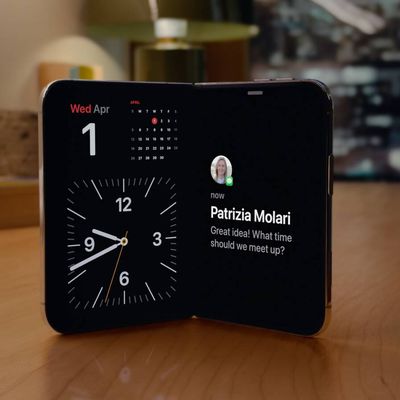
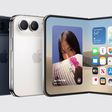
Apple's first foldable iPhone, with a book-style design featuring a 5.4-inch outer display and a 7.6-inch inner display with a minimal crease down the middle.