Apple Working on AR/VR Headset Technology to Help People With Eye Diseases
Future versions of the AR/VR headset that Apple has in development could help people with eye diseases, according to information shared over the weekend by Bloomberg's Mark Gurman in his latest issue of the PowerOn newsletter. According to Gurman, Apple has a special XDG team exploring next-generation display technology, AI, and options for future AR/VR headsets that will assist people with visual issues.
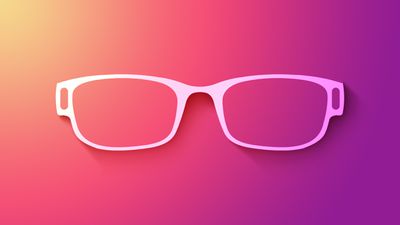
While there is no detail available on just what Apple has in development for a future AR/VR headset, accessibility has always been an area of import for the company. Apple aims to make its devices usable by everyone, and the iPhone, iPad, and Mac have a range of accessibility settings that provide extra assistance with various visual, hearing, and motor issues.
Rumors suggest that the first version of the AR/VR headset will have more than a dozen cameras, several of which will be used for mapping the area around the user. This functionality could allow the headset to project extra visual information to those who are legally blind or have other visual problems, and it could potentially provide audio directions to those with no sight.
There could be targeted functions for people with diseases like AMD (Age-Related Macular Degeneration), which causes blind spots in the vision. Oculenz AR Wear glasses, for example, have been described as being able to use floating lenses to modify real-time streaming video to move objects into an area that people suffering from AMD can see.
Apple's first AR/VR headset is set to come out this year, and while we haven't heard news of specific accessibility settings, it stands to reason that even the first model will have some accommodations based on Apple's deep interest in accessibility on its other devices.
For more on what to expect from the AR/VR headset that Apple has coming this year, we have a dedicated AR/VR roundup that aggregates all of the rumors that we've heard so far.
Popular Stories
Apple today confirmed to Reuters that it has acquired Q.ai, an Israeli startup that is working on artificial intelligence technology for audio.
Apple paid close to $2 billion for Q.ai, according to sources cited by the Financial Times. That would make this Apple's second-biggest acquisition ever, after it paid $3 billion for the popular headphone and audio brand Beats in 2014.
Q.ai has...
Last year, Apple launched CarPlay Ultra, the long-awaited next-generation version of its CarPlay software system for vehicles. Nearly nine months later, CarPlay Ultra is still limited to Aston Martin's latest luxury vehicles, but that should change fairly soon.
In May 2025, Apple said many other vehicle brands planned to offer CarPlay Ultra, including Hyundai, Kia, and Genesis. At the time,...
Apple recently updated its online store with a new ordering process for Macs, including the MacBook Air, MacBook Pro, iMac, Mac mini, Mac Studio, and Mac Pro.
There used to be a handful of standard configurations available for each Mac, but now you must configure a Mac entirely from scratch on a feature-by-feature basis. In other words, ordering a new Mac now works much like ordering an...
Apple today introduced its first two physical products of 2026: a second-generation AirTag and the Black Unity Connection Braided Solo Loop for the Apple Watch.
Read our coverage of each announcement to learn more:Apple Unveils New AirTag With Longer Range, Louder Speaker, and More
Apple Introduces New Black Unity Apple Watch BandBoth the new AirTag and the Black Unity Connection Braided...
A newly surfaced resale operation is seemingly offering Apple Store–exclusive display accessories to the public for the first time, potentially giving consumers access to Apple-designed hardware that the company has historically kept confined to its retail environments.
Apple designs a range of premium MagSafe charging stands, display trays, and hardware systems exclusively for displays in ...