Shazam App Updated to Sync With iPhone's Built-In Music Recognition Feature
Shazam, the popular music recognition service, has updated its iPhone and iPad app so that songs identified with the Music Recognition feature in iOS now sync with the Shazam app.
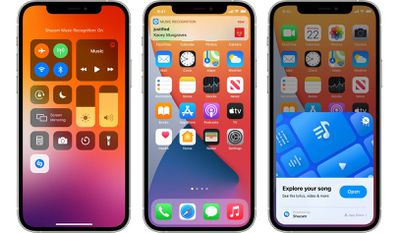
For those unfamiliar with Shazam, the app is designed to listen for music that's playing, providing a song title and artist for identification purposes. Apple's iPhones and iPads feature built-in Shazam integration with or without the app installed, available through the Music Recognition button in Control Center, and by asking Siri to identify a song that's playing.
Previously it was believed that the sync feature between Music Recognition in Control Center and the Shazam app was limited to devices running the iOS 16 developer beta, but Shazam has now rolled out the feature to the current app for devices running iOS 15.
Also new in this update, Shazam history is now synced across devices. Previously, long pressing the Music Recognition button in Control Center only displayed song identification history for the current device. Going forward however it will show all songs identified from any device signed into the same Apple ID, regardless of whether it was done via the app or Control Center.
After years of Siri integration, Apple acquired Shazam in 2018, and since iOS 14.2, Apple's mobile devices have had the system-level song recognition function.
In September 2021, Apple announced that the Music Recognition feature in Control Center had surpassed one billion cumulative recognitions across the iPhone and iPad since launching.
Popular Stories
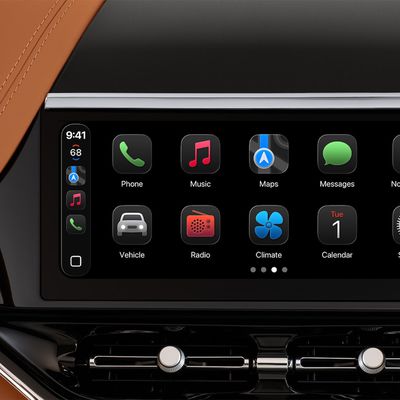
Last year, Apple launched CarPlay Ultra, the long-awaited next-generation version of its CarPlay software system for vehicles. Nearly a year later, CarPlay Ultra is still limited to Aston Martin's latest luxury vehicles, but that should change fairly soon.
In May 2025, Apple said many other vehicle brands planned to offer CarPlay Ultra, including Hyundai, Kia, and Genesis.
CarPlay Ultra...
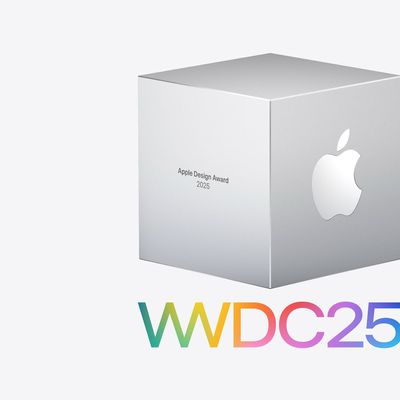
As we wait for WWDC to kick off next Monday, Apple today announced the winners of its annual Apple Design Awards, recognizing apps and games for their innovation, ingenuity, and technical achievement.
The 2025 Apple Design Award winners are listed below, with one app and one game selected per category:
Delight and Fun - CapWords (App) and Balatro (Game)
Innovation - Play (App) and PBJ -...
While the AirPods Max 2 received more attention, Apple also released a second pair of headphones last month: Nike Powerbeats Pro 2.
Nike Powerbeats Pro 2 are the same as the regular Powerbeats Pro 2, except they have a two-tone design consisting of black and Nike's signature Volt neon green-yellow color. The headphones were released on March 20 in the U.S., Canada, Australia, the U.K., and a ...
Popular Stories
Last year, Apple launched CarPlay Ultra, the long-awaited next-generation version of its CarPlay software system for vehicles. Nearly a year later, CarPlay Ultra is still limited to Aston Martin's latest luxury vehicles, but that should change fairly soon.
In May 2025, Apple said many other vehicle brands planned to offer CarPlay Ultra, including Hyundai, Kia, and Genesis.
CarPlay Ultra...
As we wait for WWDC to kick off next Monday, Apple today announced the winners of its annual Apple Design Awards, recognizing apps and games for their innovation, ingenuity, and technical achievement.
The 2025 Apple Design Award winners are listed below, with one app and one game selected per category:
Delight and Fun - CapWords (App) and Balatro (Game)
Innovation - Play (App) and PBJ -...
While the AirPods Max 2 received more attention, Apple also released a second pair of headphones last month: Nike Powerbeats Pro 2.
Nike Powerbeats Pro 2 are the same as the regular Powerbeats Pro 2, except they have a two-tone design consisting of black and Nike's signature Volt neon green-yellow color. The headphones were released on March 20 in the U.S., Canada, Australia, the U.K., and a ...