Parallels 16 for M1 Macs Gets Technical Preview 2 Update With New Features
Back in December, Parallels released a Parallels Desktop 16 for M1 Macs Technical Preview Program, which is designed to allow Parallels to run Windows on M1 Macs.
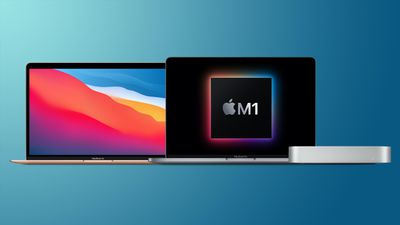
Parallels today released a second Technical Preview, introducing new features and various improvements to the software for a better usage experience. The update adds support for suspending and resuming a virtual machine, improves stability, and more, with the full feature list below.
New features
- Added support for suspending and resuming a virtual machine.
- Support for installing Parallels Tools in the following Linux distributives: Ubuntu 20.04 or later, Debian 10.7 or later, and Fedora Workstation 33-1.2 or later.
- Compatible Linux installation images are now automatically detected in the Installation Assistant.
Improvements
- Improved overall stability.
- Resolved the issue with ARM-based Linux ISO images being recognized as Intel-based ones.
- Resolved the issue with missing sound when a virtual machine is created from a VHDX image.
- Resolved the issue with not being able to select an ISO image as an installation source when VHDX is specified in the drop-down menu.
Known issues
- During the Parallels Tools update, the virtual machine's screen may freeze for several minutes, please simply wait.
The Parallels software can run Windows using Microsoft's Arm-based version that's available through the Windows Insider program, but there's no publicly available version of Arm Windows that can be purchased.
There are also several limitations to the software. It is not possible to install or start an Intel x86 based operating system in a virtual machine, and ARM32 applications do not work.
Current release versions of Parallels are not able to run on M1 Macs, so M1 Mac owners who want to use the software will need to participate in the Technical Preview program.

Popular Stories
Apple today confirmed to Reuters that it has acquired Q.ai, an Israeli startup that is working on artificial intelligence technology for audio.

Apple paid close to $2 billion for Q.ai, according to sources cited by the Financial Times. That would make this Apple's second-biggest acquisition ever, after it paid $3 billion for the popular headphone and audio brand Beats in 2014.
Q.ai has...
Apple today introduced its first two physical products of 2026: a second-generation AirTag and the Black Unity Connection Braided Solo Loop for the Apple Watch.
Read our coverage of each announcement to learn more:Apple Unveils New AirTag With Longer Range, Louder Speaker, and More
Apple Introduces New Black Unity Apple Watch BandBoth the new AirTag and the Black Unity Connection Braided...
Alongside iOS 26.2.1, Apple today released an updated version of iOS 12 for devices that are still running that operating system update, eight years after the software was first released.
iOS 12.5.8 is available for the iPhone 5s and the iPhone 6, meaning Apple is continuing to support these devices for 13 and 12 years after launch, respectively. The iPhone 5s came out in September 2013,...
Update: Apple Creator Studio is now available.
Apple Creator Studio launches this Wednesday, January 28. The all-in-one subscription provides access to the Final Cut Pro, Logic Pro, Pixelmator Pro, Motion, Compressor, and MainStage apps, with U.S. pricing set at $12.99 per month or $129 per year.
A subscription to Apple Creator Studio also unlocks "intelligent features" and "premium...
On an earnings call with equity analysts today, Apple CEO Tim Cook responded to fast-rising RAM and SSD storage chip prices in the supply chain.
Prices for RAM and NAND storage chips are surging lately due to high demand from companies building out AI servers, resulting in supply constraints.
Cook said that rising memory chip prices had a "minimal impact" on Apple's gross margin in the...