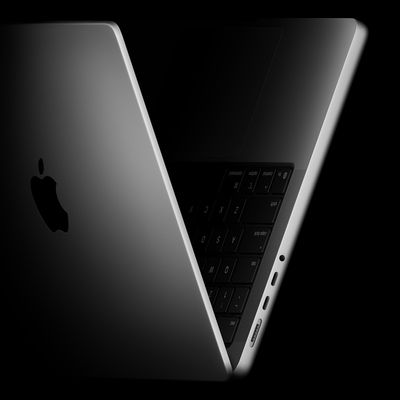
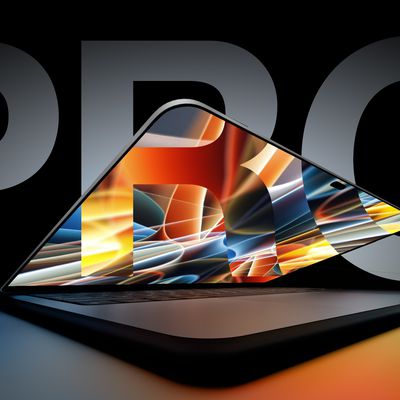
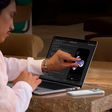
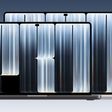
Apple CEO John Ternus explained Apple's thinking on the MacBook Pro's new touch capabilities in an interview with Wired. Despite the addition of a touch display, Apple still sees the MacBook Pro as an indirect input device.
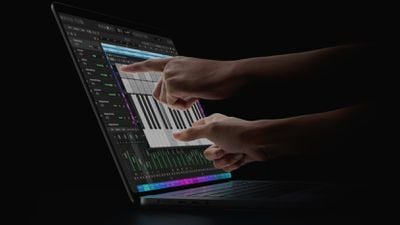
From Ternus:
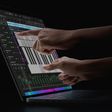
The Mac is first and foremost an indirect input device, built around the trackpad and keyboard. But I think there's times when it's comfortable and handy to have touch.
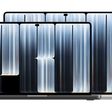
We needed to get to a point where adding touch didn't make the product lesser in any way. It didn't make it heavier. It didn't make it thicker. That came together with the OLED screen, the best display we've ever put into a Mac. All of these things, and, oh yeah, it has touch as well.
Apple has in the past said it would not converge its iPad and Mac lines because they served two different functions. Hardware chief Johny Srouji and marketing chief Greg Joswiak were also interviewed. Srouji told Wired that display technology, Apple silicon chips, and software have evolved enough to meet Apple's "bar" for touch integration.
Joswiak said pro users were waiting for touch, and that a generation of "young creators" expect touch capabilities. Apple's version of a touchscreen laptop has a redesigned thermal architecture to keep the display from feeling hot, an anti-reflective display coating that's Apple says won't need more cleaning than a standard display, and a reinforced hinge that keeps the screen stable when touch pressure is applied.
The new OLED MacBook Pro models are available for pre-order today and will launch on November 6. Pricing starts at $2,899.