New Apple Studio Displays Double Internal Storage to 128GB
The Apple Studio Display and Studio Display XDR are equipped with A19 and A19 Pro chips, respectively, and each display has 128GB of internal NAND storage.
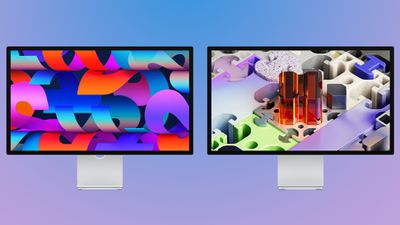
With A-series chips, the Studio Displays run an iOS-based operating system, which is what the internal storage space is used for. The A19 and A19 Pro handle camera processing for the Center Stage camera, color calibration, USB and Thunderbolt device management, spatial audio, and more.
Storage space is necessary for the existing software, downloading new firmware updates over time, and perhaps for diagnostics, but the storage is not used for user-facing features.
The prior-generation Studio Display had 64GB of storage, so the new displays have double the capacity. Apple likely found it more affordable to use existing NAND storage from its iPhone supply chain rather than to invest in smaller modules with less storage. Most of the 128GB is probably unnecessary.
Along with 128GB of storage, the Studio Display has 8GB RAM and the Studio Display XDR has 12GB RAM. The new displays launched today, and are now available for purchase from the online Apple Store and Apple retail locations.
(Thanks, Mr. Macintosh!)
Popular Stories
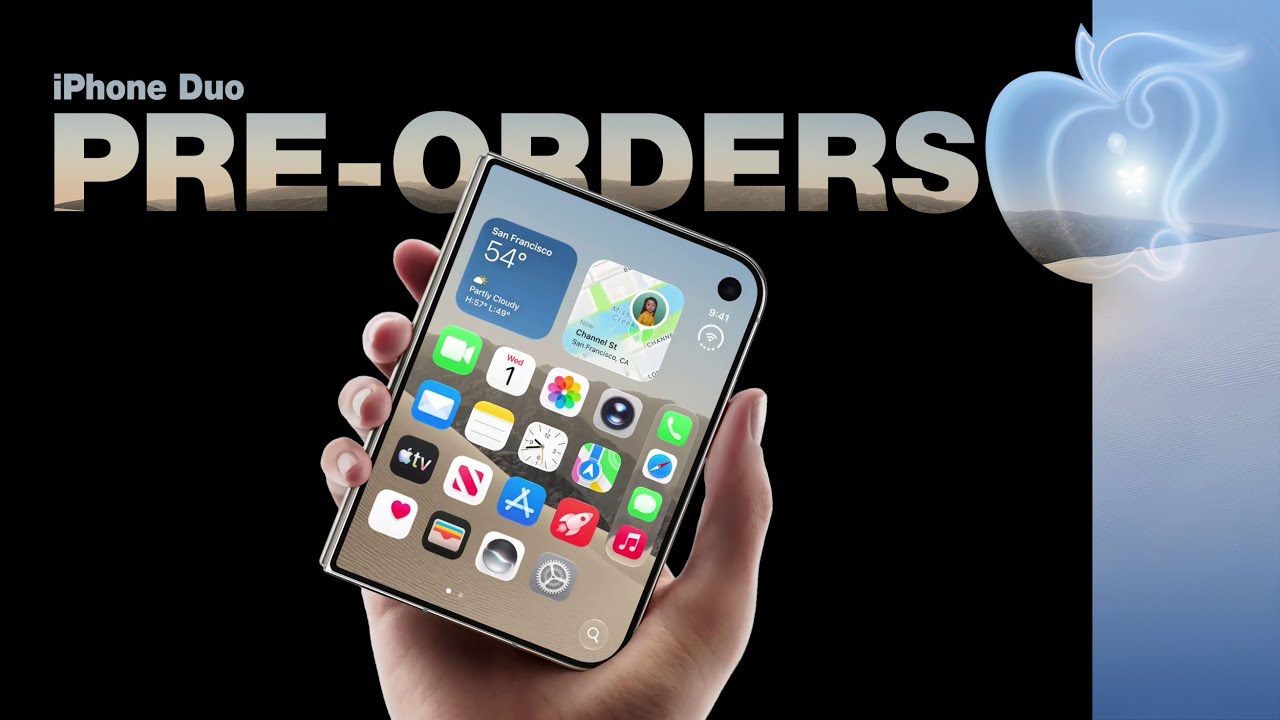
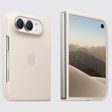
Some Apple retail employees have been told to warn customers against visiting to purchase an iPhone Duo without a pre-order on Friday, October 23.
Apple Store employees told MacRumors that they have been advised that there will likely be no iPhone Duo stock available for walk-in purchases on launch day. Staff have been instructed to discourage customers without pre-orders from coming in...
Verizon plans to charge customers $10 per month for the iPhone Handoff feature that Apple added in iOS 27. iPhone Handoff allows one phone number to be shared across two separate iPhones.
Pricing was included in Verizon's iPhone Duo announcement today, with the carrier confirming iPhone Handoff will work with the iPhone Duo and the iPhone 18 Pro models.
Verizon will support iPhone Handoff,...
Apple has begun inviting selected members of the media to a product launch experience in Los Angeles on Wednesday, October 28, according to Bloomberg's Mark Gurman.
In a post on X, Gurman described the gathering as an "all-day product launch experience" for touchscreen MacBooks, a new iPad mini, and Macs equipped with M6 chips.
Gurman previously reported that Apple would introduce the...