iPhone 18 Rumored to Feature Much Brighter Display
Apple's iPhone 18 will feature a significantly brighter display, according to a Chinese leaker.
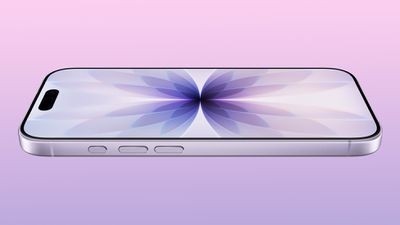
In a new post on Weibo, the user known as "Instant Digital" said that Chinese supplier BOE has little hope of making panels for the iPhone 18 because Apple's brightness requirements for the next-generation device are unprecedentedly high. This suggests that the iPhone 18's display will see a considerable leap forward in terms of brightness.
The iPhone 13 and iPhone 14 offered a typical maximum brightness of 800 nits, with peak HDR brightness of 1,200 nits. With the iPhone 15, iPhone 16, and iPhone 17 Apple increased this to 1,000 nits typical maximum brightness and 1,600 nits peak HDR brightness. The iPhone 17 also saw a notable increase from 2,000 nits of outdoor peak brightness to 3,000 nits.
Earlier today, Korea's The Elec reported that BOE is again struggling with iPhone OLED production, causing millions of panel orders to be shifted to Samsung Display.
The iPhone 18 is expected to launch in early 2027, featuring the A20 chip, the C2 modem, and a simpler Camera Control.
Popular Stories
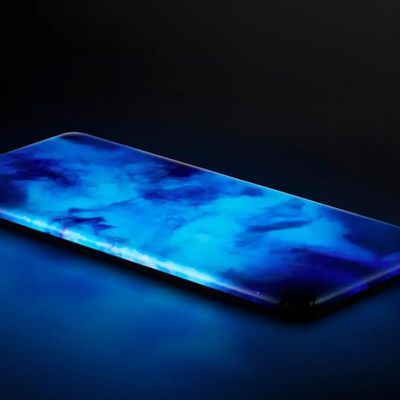
Apple is waiting on Samsung to perfect a next-generation OLED display technology that wraps almost vertically around a phone and essentially makes the sides themselves part of the screen, claims a Chinese leaker.
Xiaomi's 2021 concept phone – bearing a striking resemblance to Samsung's rumored technology
According to the Weibo-based leaker Instant Digital, the technology is internally...
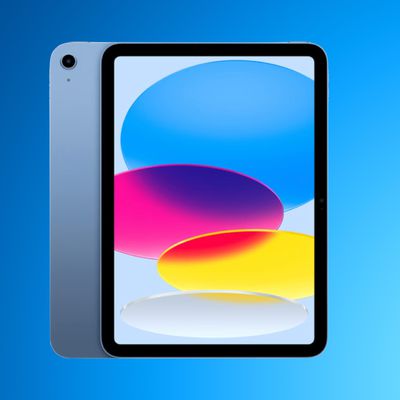
The iPad is set to gain significantly narrower borders around its display, according to the leaker known as "Instant Digital" on Weibo. The post gives no model or timeline; it could refer to the entry-level iPad or to Apple's tablet lineup in general.
Refreshes of the entry-level iPad, iPad mini, iPad Air, and iPad Pro are in the pipeline. The next iPad mini is already rumored to gain OLED and ...
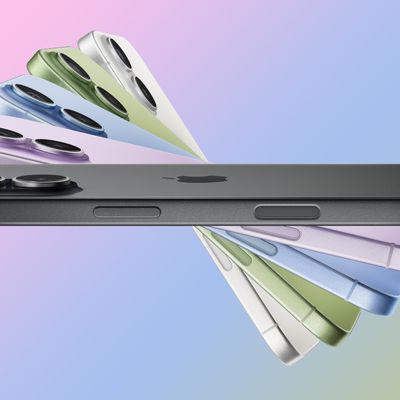
Apple is reportedly preparing a substantial production run for the standard iPhone 18, following the iPhone 17's success as the world's best-selling smartphone.
In a new Weibo post, the leaker known as "Fixed Focus Digital" claimed that production of the standard iPhone 18 is scheduled to start in late November, describing the volume of inventory being prepared as "quite large."
Its...