Apple Says Final iPod Nano and iPod Shuffle Models Are Now Obsolete
Apple today added the final iPod nano and iPod shuffle models to its obsolete products list worldwide, marking the end of an era.
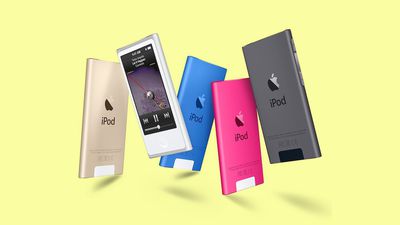
Apple introduced new color options for the seventh-generation iPod nano and fourth-generation iPod shuffle in 2015, and those models are now obsolete in particular. Apple went on to discontinue the iPod nano and iPod shuffle entirely in 2017.
Apple considers a device to be "obsolete" once seven years have passed since the company stopped distributing it for sale. Once a device is obsolete, it is no longer eligible for repair at an Apple Store or Apple Authorized Service Provider, with the only exception being MacBook battery replacements for up to a 10-year period.
Apple also added the iPhone 6 to its obsolete products list today. Apple had already classified the larger iPhone 6 Plus as obsolete in April, but the smaller iPhone 6 had remained available through resellers in select countries for longer, so it only became obsolete now.
Last, Apple added the 2017 model of the 12-inch MacBook and the sixth-generation iPad to its vintage products list today. Apple considers a device to be "vintage" once five years have passed since the company stopped distributing it for sale. Apple might offer to repair a vintage product, but only if parts remain available.
Popular Stories
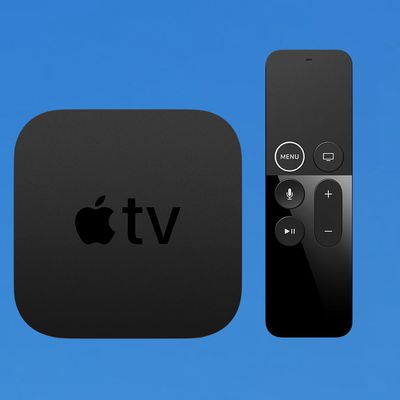
Apple hasn't updated the Apple TV 4K since 2022, and 2025 was supposed to be the year that we got a refresh. There were rumors suggesting Apple would release the new Apple TV before the end of 2025, but it looks like that's not going to happen now.
Subscribe to the MacRumors YouTube channel for more videos.
Bloomberg's Mark Gurman said several times across 2024 and 2025 that Apple would...
While the iPhone 18 Pro and iPhone 18 Pro Max are not expected to launch for another nine months, there are already plenty of rumors about the devices.
Below, we have recapped 12 features rumored for the iPhone 18 Pro models.
The same overall design is expected, with 6.3-inch and 6.9-inch display sizes, and a "plateau" housing three rear cameras
Under-screen Face ID
Front camera in...
The European Commission today praised the interoperability changes that Apple is introducing in iOS 26.3, once again crediting the Digital Markets Act (DMA) with bringing "new opportunities" to European users and developers.

The Digital Markets Act requires Apple to provide third-party accessories with the same capabilities and access to device features that Apple's own products get. In iOS...
Earlier this month, Apple released iOS 26.2, following more than a month of beta testing. It is a big update, with many new features and changes for iPhones.
iOS 26.2 adds a Liquid Glass slider for the Lock Screen's clock, offline lyrics in Apple Music, and more. Below, we have highlighted a total of eight new features.
Liquid Glass Slider on Lock Screen
A new slider in the Lock...
You'd think things would be slowing down heading into the holidays, but this week saw a whirlwind of Apple leaks and rumors while Apple started its next cycle of betas following last week's release of iOS 26.2 and related updates.
This week also saw the release of a new Apple Music integration with ChatGPT, so read on below for all the details on this week's biggest stories!
Top Stories
i...
Next year's iPhone 18 Pro and iPhone 18 Pro Max will be equipped with under-screen Face ID, and the front camera will be moved to the top-left corner of the screen, according to a new report from The Information's Wayne Ma and Qianer Liu.
As a result of these changes, the report said the iPhone 18 Pro models will not have a pill-shaped Dynamic Island cutout at the top of the screen....
Apple's first foldable iPhone, rumored for release next year, may turn out to be smaller than most people imagine, if a recent report is anything to go by. According to The Information, the outer display on the book-style device will measure just 5.3 inches – that's smaller than the 5.4-inch screen on the iPhone mini, a line Apple discontinued in 2022 due to poor sales. The report has led ...
Apple is significantly increasing its reliance on Samsung for iPhone memory as component prices surge, according to The Korea Economic Daily.
Apple is said to be expanding the share of iPhone memory it sources from Samsung due to rapidly rising memory prices. The shift is expected to result in Samsung supplying roughly 60% to 70% of the low-power DRAM used in the iPhone 17, compared with a...