AT&T announced today that the company would end its bid to acquire T-Mobile USA.
The actions by the Federal Communications Commission and the Department of Justice to block this transaction do not change the realities of the U.S. wireless industry. It is one of the most fiercely competitive industries in the world, with a mounting need for more spectrum that has not diminished and must be addressed immediately. The AT&T and T-Mobile USA combination would have offered an interim solution to this spectrum shortage. In the absence of such steps, customers will be harmed and needed investment will be stifled.
The acquisition intention was announced back in March, 2011. Under the original terms of the deal, AT&T would have paid $39 billion in cash and stock. The deal, however, was heavily criticized in an analysis by Federal regulators who believed that the merger would limit competition in virtually every U.S. city and lead to higher prices for customers.
AT&T now owes T-Mobile parent company Deutsche Telekom $3 billion in cash plus $1 billion in spectrum (at market rates) as a breakup fee for the failure of the merger. However, the Wall Street Journal reports that AT&T's bottom line will not feel the full brunt of the cost because it should be fully tax deductible, meaning the cash hit of the breakup fee would be closer to $1.5-$1.8 billion.
Bloomberg's Mark Gurman has high expectations for Apple's first foldable iPhone.
In his Power On newsletter today, he said the foldable iPhone will be "the most significant overhaul in the iPhone's history."
"iPhone 4, iPhone 6 and iPhone X were clearly a big deal, but this is a whole new design," he said.
Like Samsung's Galaxy Z Fold 7, the foldable iPhone will reportedly open up like ...
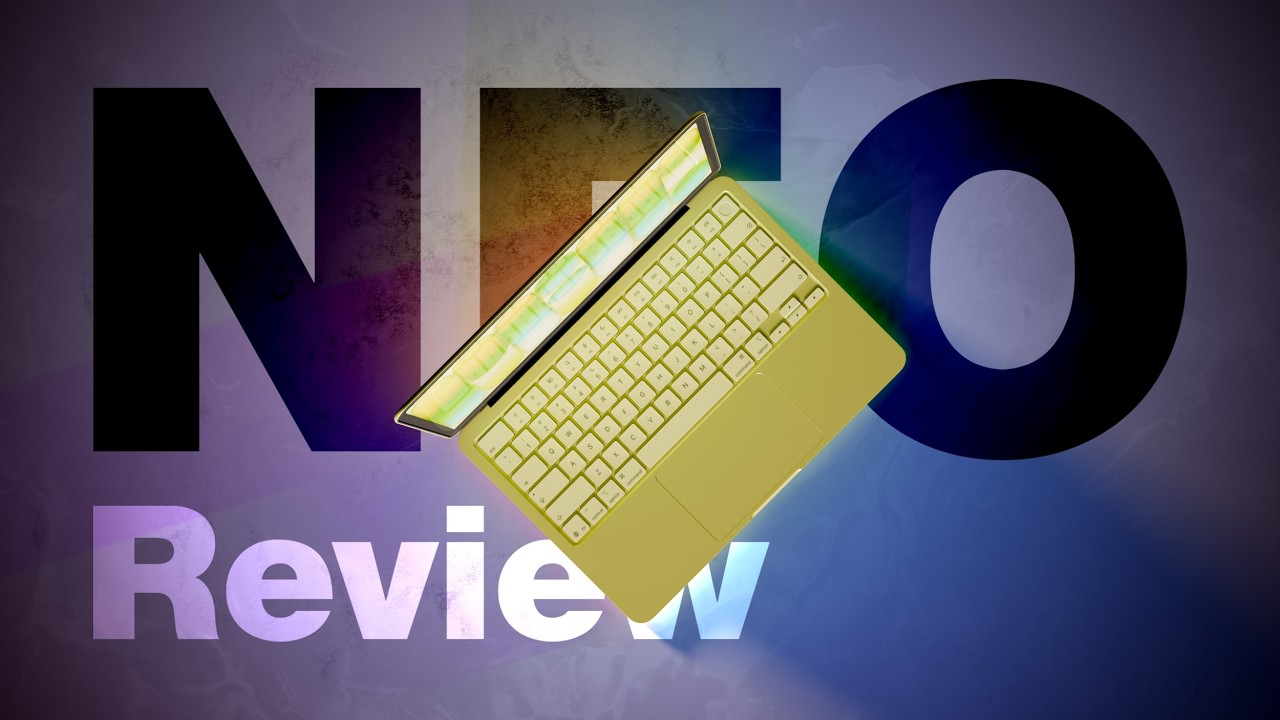
March has been an incredibly busy month for Apple, with the company unveiling more than 10 new products and accessories. We said hello to the MacBook Neo at the start of the month, and we bid farewell to the Mac Pro at the end of it.
Nevertheless, there is still a lot more to come this year.
Beyond the usual annual updates to iPhones and Apple Watches, Apple's all-new smart home hub is...
Saturday March 28, 2026 8:00 am PDT by Joe Rossignol
Apple is expected to release two new iPhone apps this year, including an Apple Business app and a Siri app with chatbot-like functionality.
With the Apple Business app, employees at businesses using the new Apple Business platform will be able to install apps for work, view contact information for colleagues, and request support. Apple Business is launching on April 14, and it replaces Apple ...
Bloomberg's Mark Gurman has high expectations for Apple's first foldable iPhone.
In his Power On newsletter today, he said the foldable iPhone will be "the most significant overhaul in the iPhone's history."
"iPhone 4, iPhone 6 and iPhone X were clearly a big deal, but this is a whole new design," he said.
Like Samsung's Galaxy Z Fold 7, the foldable iPhone will reportedly open up like ...
March has been an incredibly busy month for Apple, with the company unveiling more than 10 new products and accessories. We said hello to the MacBook Neo at the start of the month, and we bid farewell to the Mac Pro at the end of it.
Nevertheless, there is still a lot more to come this year.
Beyond the usual annual updates to iPhones and Apple Watches, Apple's all-new smart home hub is...
Saturday March 28, 2026 8:00 am PDT by Joe Rossignol
Apple is expected to release two new iPhone apps this year, including an Apple Business app and a Siri app with chatbot-like functionality.
With the Apple Business app, employees at businesses using the new Apple Business platform will be able to install apps for work, view contact information for colleagues, and request support. Apple Business is launching on April 14, and it replaces Apple ...
I wonder how much further along AT&T would be in their LTE rollout if they just took the $39 billion and invested it in wireless infrastructure versus trying to buy T-Mobile.
T-Mobile merged with Orange in the UK and that reduced competition and they made their stores much nicer. Why was everyone in the USA against this? :confused:
Why would reducing competition be a good thing? It's what helps keep prices down.
How is reducing competition a good thing? You'd be ok with paying more just to have nicer stores?
T-Mobile is going under. They're bleeding customers in droves. Their exit from the U.S. market is only prolonged a little longer with the AT&T back-out money.
T-Mobile merged with Orange in the UK and that reduced competition and they made their stores much nicer. Why was everyone in the USA against this? :confused:
I guess because in the USA we don't consider "reduced competition" a good thing! ;)