TG Daily reports that Intel's next generation mobile platform, code-named Santa Rosa, is currently tracking for a May release.
The platform will feature many improvements over today's incarnation found in the iMac, MacBook, and MacBook Pro. While the processor will remain of the Core 2 Duo "Merom" variety and will top out at 2.4 GHz, the front side bus speed will be increased to 800 MHz.
Also, systems that use integrated graphics (MacBook, Mac Mini) will stand to see a big boost from Intel's latest graphics technology. The GMA X3000 will implement several important graphics features in hardware and support pixel and vertex shader models 3.0, whereas GMA 950 only supports pixel shader model 2.0. This improvement will no doubt be a boost for casual gamers and for Apple's desire to include even more impressive visual effects in their systems.
Lastly, Santa Rosa will feature Intel's flash caching technology, code-named Robson. The technology should bring better system performance, especially in the areas of battery life, system startup, and access of frequently used applications.
Apple today dramatically increased device prices across multiple product lines.
Subscribe to the MacRumors YouTube channel for more videos.
After temporarily taking it down earlier today, Apple's online store is back up with a series of product price increases. The changes are as follows:
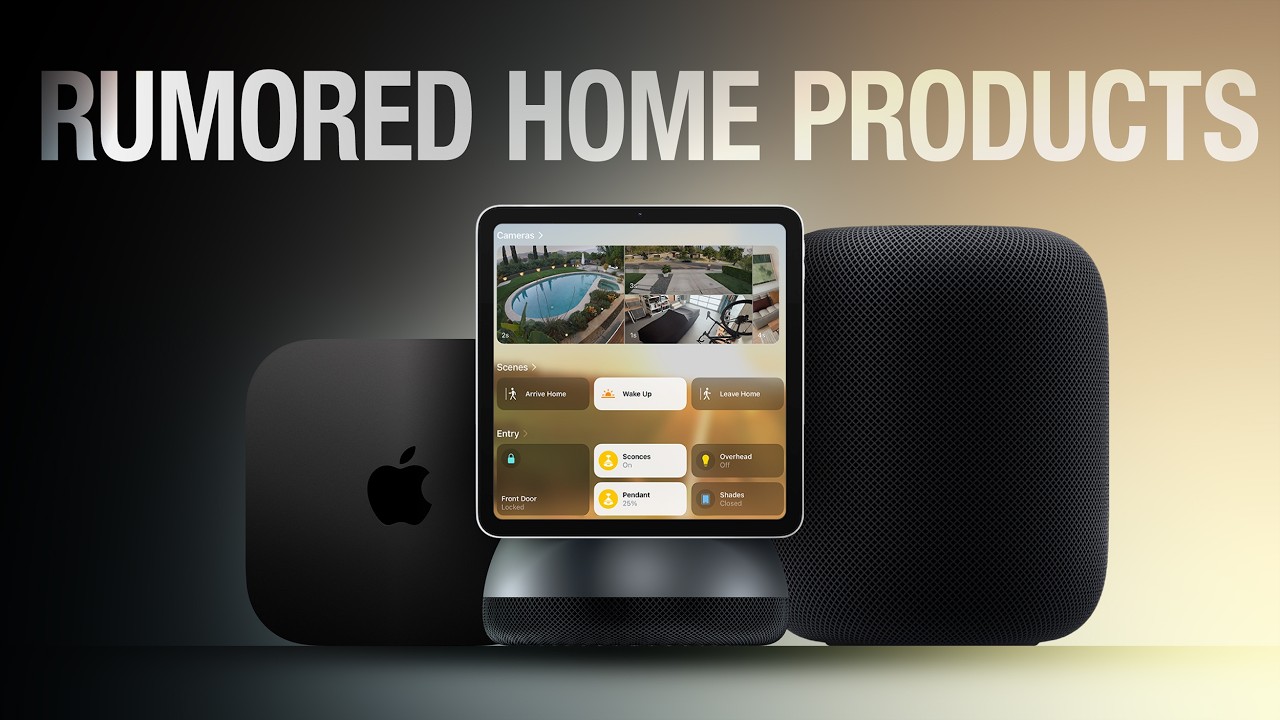
HomePod mini: $129, up from $99 (+$30)
HomePod: $349, up from $299 (+$50)
Apple TV: $199, up from...
Apple plans to adopt OLED panels capable of displaying a much wider range of colors, according to a new report from research firm TrendForce.
The new panels would cover 95% of the BT.2020 color standard, which describes a far broader spectrum of colors than the DCI-P3 standard Apple's screens currently target. In practice, that means deeper, more accurate reds, greens, and blues. Reaching...
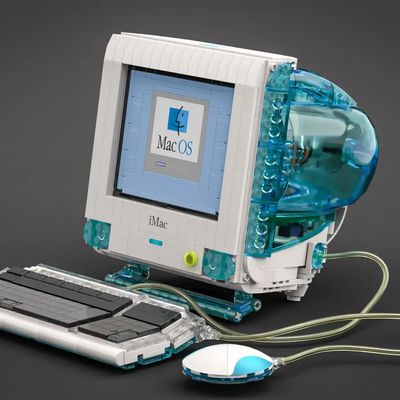
LEGO today said the iMac G3 project submitted for consideration on its "Ideas" site has been moved to Parking Lot status, which means it hasn't been ruled out and could still possibly be turned into an official LEGO set.
On its "Ideas" website, LEGO lets fans submit mockups and suggestions for future LEGO sets. Any project that gets at least 10,000 votes goes to the LEGO Review Board and has ...
Apple's first foldable iPhone, with a book-style design featuring a ~5.5-inch outer display and a ~7.8-inch inner display with a minimal crease down the middle.