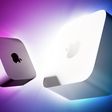
 As we noted last week, Apple has adopted new Bluetooth 4.0 chips in their latest MacBook Airs and Mac Minis. Bluetooth 4.0 notably includes the Bluetooth Low Energy specification which promises a low-power and low-latency implementation that opens the door to a number of new kinds of Bluetooth-powered devices.
The best example of what will be possible comes from Apple's popular Nike+ accessory which isn't actually a Bluetooth Low Energy device. The Nike+ accessory is a sensor that sends signals from your shoe to your iOS device to track your daily runs. The information is sent from the sensor wirelessly to your iOS device where it's stored for later syncing. Nike's implementation is a proprietary one, though it is similar to Bluetooth.
Bluetooth Low Energy standardizes this sort of functionality for a broad market of devices. Like Nike's shoe sensor, the new protocol promises the ability to power accessories for more than a year on a simple button cell battery without recharging.
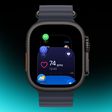
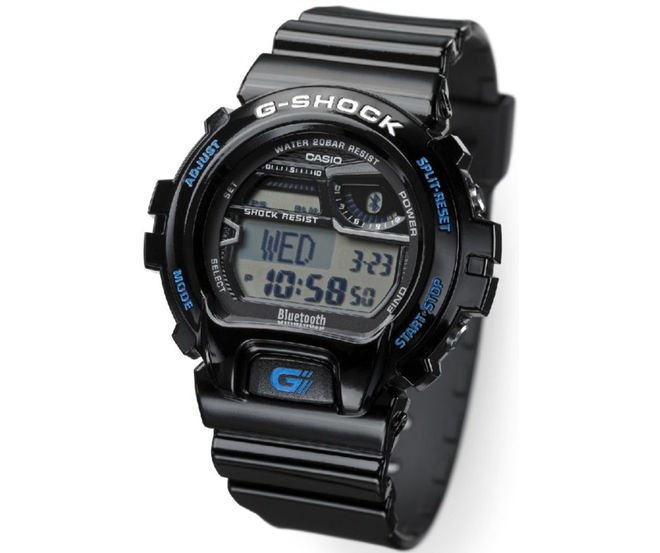 Since the technology is so new, there haven't been many product announcements for accessories with the technology. Casio was one of the few who has revealed a Bluetooth low-energy watch that will interface with your mobile phone.
The device can receive notifications for incoming calls, SMS and email, and can also be used to locate your phone if its within range (~5 meters). Even with the incorporation of the Bluetooth technology, the watch will run for two years on its cell battery.
Other possible uses commonly listed for Bluetooth Low Energy include:
• Find Me - electronic leash applications
• Proximity - wireless locking and unlocking, out of range alerts
• Sports / Running - stats and vitals
• Health - heart rate monitor, blood pressure, glucose monitors
EETimes suggests one interesting indoor use for these sensors given their low cost and low maintenance requirements.
One key application could be indoor location (where there is no GPS signal) whereby sensors around a large public building (such as an airport or rail station) constantly broadcast information about their location. A Bluetooth low energy equipped cell phone passing within range could then display that information to its owner. Sensors could transmit other information such as flight times and gates, location of amenities, or special offers from nearby shops.
Apple joined the Bluetooth board of directors just last month and it's likely that Bluetooth 4.0 will soon extend into their other devices beyond the MacBook Air and Mac mini. The Bluetooth site claims that virtually all new smart phones will include Bluetooth 4.0 by the end of 2012.