The upcoming iOS 27 and macOS 27 Golden Gate updates expand drawing tools to more of Apple's built-in apps across the iPhone and Mac.
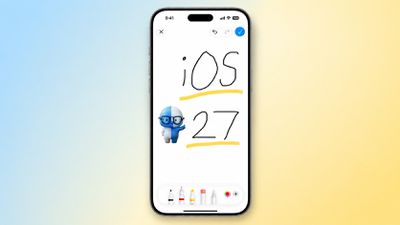
In the Messages app on iOS 27, there is a new "Drawing" option in the app drawer, which can be opened by tapping the plus sign in the bottom-left corner.
On older iOS versions, the Messages app once had a very basic drawing tool that was accessible by tapping a button on the keyboard in landscape orientation, but now Apple's complete set of Markup tools are available in the app.
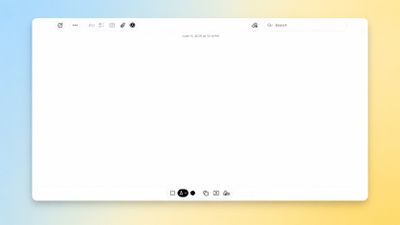
On the Mac, macOS 27 adds the Markup tools to the Notes and Freeform apps.
iOS 27 and macOS 27 are currently available in developer beta. The updates are expected to be released to the general public in September.
Friday October 2, 2026 12:59 pm PDT by Joe Rossignol
In a post on its developer news website today, Apple announced that it will be introducing "additional controls" for the "Full Disk Access" setting on macOS due to new risks posed by AI agents. This announcement comes amid the rise of always-on AI agents like Meta's Muse and OpenAI's Dots, which have prompted privacy concerns.
"Some developers are using Full Disk Access in ways that could...
Wednesday September 23, 2026 1:06 pm PDT by Joe Rossignol
After releasing iOS 27 last week, Apple is already testing a follow-up iOS 27.0.1 update for iPhones, according to MacRumors logs.
iOS 27.0.1 will likely be a minor update with bug fixes and/or security patches.
Shortly after Apple launches new iPhone models, some software bugs are usually discovered as the devices get into the hands of millions of customers around the world. This year, so...
Thursday September 24, 2026 6:10 am PDT by Joe Rossignol
Apple has confirmed to 9to5Mac's Benjamin Mayo that it plans to release a software update early next week with a fix for a Face ID issue affecting some iPhone 18 Pro users.
Yesterday, we reported that Apple is testing iOS 27.0.1, which is likely to be the update with the...
Interesting. Got a link? Even if it's built into the glass, I'm inclined to think there's thickness penalty somewhere, maybe in the glass itself. Pretty rare that something can be added for free.
“In his latest post on X (Twitter) ('https://x.com/mingchikuo/status/1968249865940709538'), Kuo writes that Apple's much-rumored OLED MacBook Pro will incorporate a touch panel using on-cell touch technology. On-cell touch technology integrates the touch sensors directly into the display panel's top layer (the "cell") rather than requiring a separate, dedicated touch layer.” https://www.macrumors.com/2025/09/17/kuo-2026-oled-macbook-pro-touch-panel/
I’m pretty sure the OLED iPad pros over the last couple years have all used this technology, and as you know, switching from mini LED to OLED still allowed them to shave off of over a millimeter in thickness. So either way, the smaller size requirements of OLED compared to mini LED will allow the display to be even thinner if Apple so chooses, touch or not.
I don't know if Pencil support is likely, but even if it's just touch, the display will likely need to get thicker due to the touch layer. And either way I think there would also need to be a change in form factor. Especially if there's Pencil support, but even if it's just touch, the current traditional clamshell form factor isn't ergonomically conducive. My preference would be a "floating" design somewhat like the iPad Magic Keyboard, but more like a Surface Laptop Studio.
There will be no separate touch layer. Apple has requested Samsung’s on cell tech for the 14 and 16 inch OLED MacBook pros, meaning that the touch layer is implemented directly into the display glass.
Honestly I think basic touch support is more likely. The screens are so thin on MacBook I’d almost be afraid to use the pencil . (Unless the new models drastically change that ofc)
I don't know if Pencil support is likely, but even if it's just touch, the display will likely need to get thicker due to the touch layer. And either way I think there would also need to be a change in form factor. Especially if there's Pencil support, but even if it's just touch, the current traditional clamshell form factor isn't ergonomically conducive. My preference would be a "floating" design somewhat like the iPad Magic Keyboard, but more like a Surface Laptop Studio.
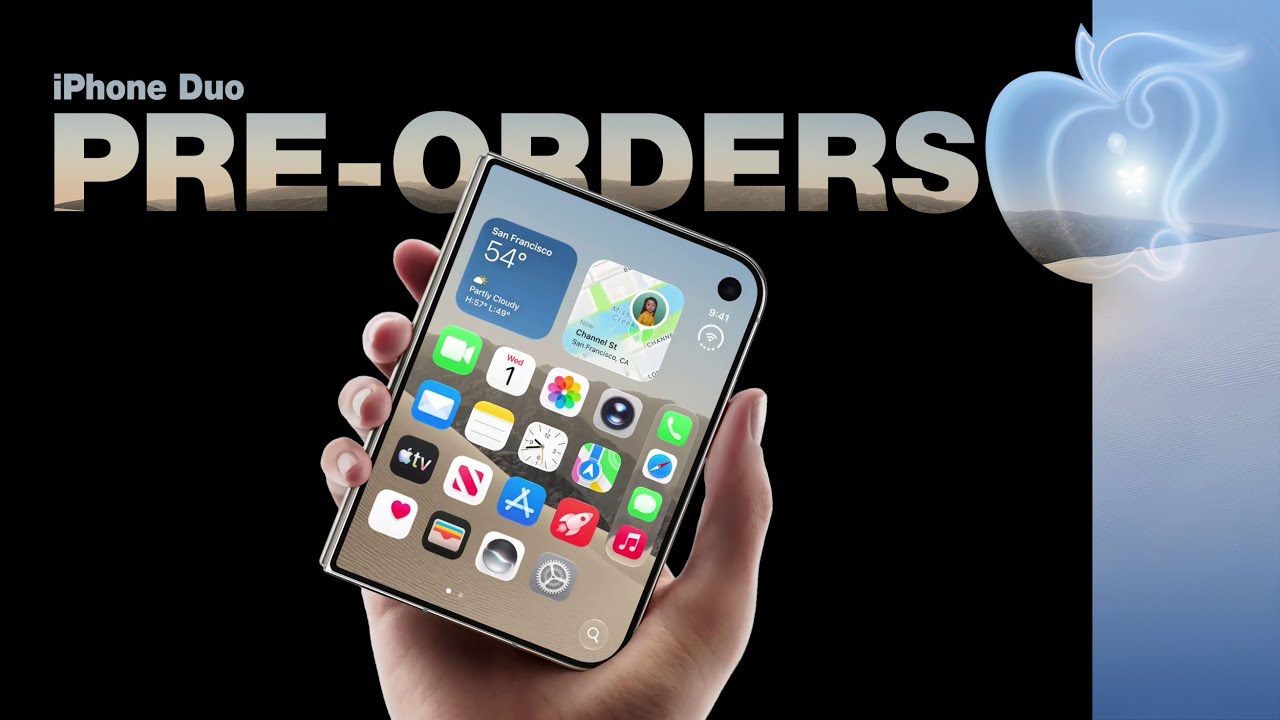
Apple's first foldable iPhone, with a book-style design featuring a 5.4-inch outer display and a 7.6-inch inner display with a minimal crease down the middle.



/https://forums.macrumors.com/proxy.php%3Fimage=https://images.macrumors.com/article-new/2026/06/macOS-27-Notes-Markup-Drawing.jpeg&hash=9934db4879a0cff1588f62175aa57910) [/]
[/]