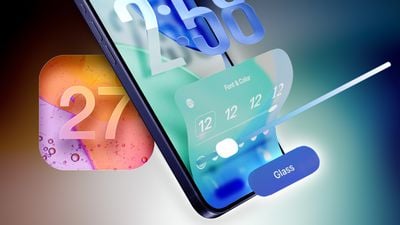
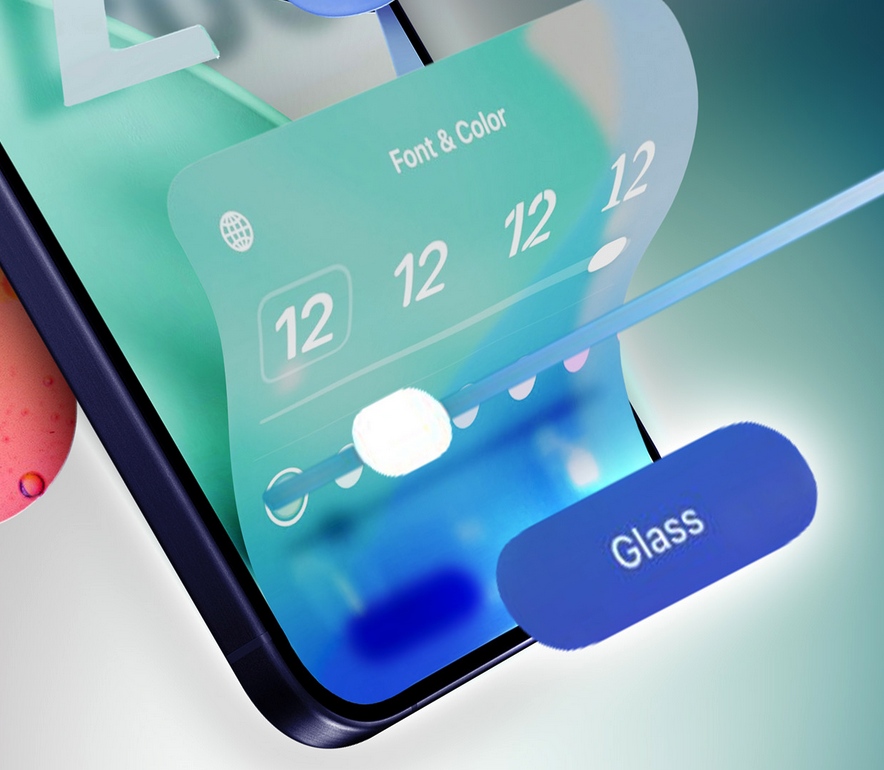
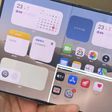
In his Power On newsletter today, Bloomberg's Mark Gurman said the latest internal version of iOS 27 does not have major Liquid Glass design changes, but there might be a new system-wide setting for precisely adjusting the look of the interface.
iOS 26.1 lets you choose between "Clear" and "Tinted" options for Liquid Glass, with the "Tinted" look adding more opacity to user interface elements. And with iOS 27, which is expected to be released later this year, Apple might go even further.
iOS 26.2 introduced a slider that allows you to manually adjust the opacity of Liquid Glass, but only for the Lock Screen's clock. Starting with iOS 27, Gurman said the setting might be expanded to the entire operating system.
Apple was initially working on a system-wide Liquid Glass slider for iOS 26, but it ran into engineering challenges when trying to extend it across the entire system, according to Gurman. However, he said Apple could go back to the drawing board and manage to get the system-wide slider working in an iOS 27 version.
"Apple is trying again now for iOS 27," said Gurman, in a social media post referring to the system-wide Liquid Glass slider. "TBD if it lands."
iOS 27 beta testing should begin in June, ahead of a September release.
Sunday November 15, 2026 8:42 am PST by Joe Rossignol
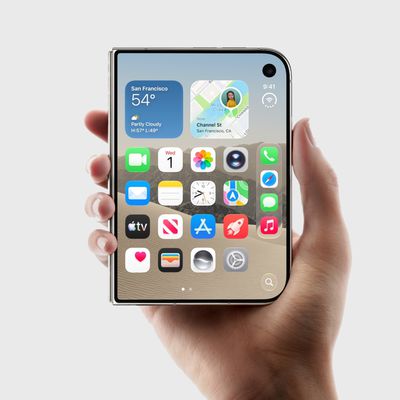
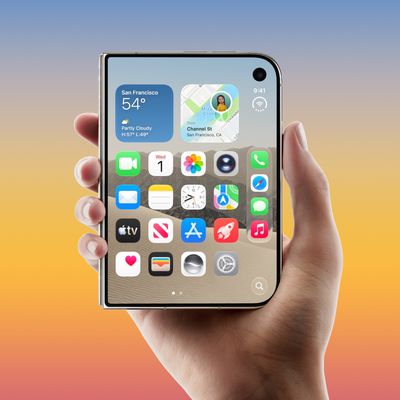
Bloomberg's Mark Gurman today said Apple has four goals for future iPhone Duo models: Face ID, an Action button, a telephoto camera, and a thinner-and-lighter design. Gurman said Apple has already developed iPhone Duo 2 prototypes with Face ID on the outer display, but it is "running out of time" to finalize the feature for that model, so it might not arrive until the iPhone Duo...
Monday November 16, 2026 10:17 am PST by Juli Clover
Apple today added a new option for unlocking the iPhone Duo using the front-facing camera, giving device users multiple ways to access their content. The feature is available in the second iOS 27.3 beta.
The option to unlock with facial recognition is only available on the Lock Screen, and authentication via Touch ID is still needed for Apple Pay purchases, adding passwords and logins, and...
Sunday November 8, 2026 7:42 am PST by Joe Rossignol
Apple has made a change to its development process for iOS 28, macOS 28, and corresponding software updates, according to Bloomberg's Mark Gurman.
In his Power On newsletter today, he said Apple separates development of each year's new operating systems into three major stages. Typically, he said each stage consists of four weeks of coding followed by a four-week "convergence" period where...
It's not additive or more usable to have colors & content "bleeding through" onto controls from underneath.
That may demo well for being "fun, flashy, cool and wow", but it effectively just adds friction and frustration as it lessens legibility and clarity of controls one is trying to interact with.
The seeds of this flawed ideology go all the way back to when Safari on macOS started "tinting" based upon what is behind the window. It's just insane when you think about it.
Imagine if road signs along the highway were sort of translucent and showed "hints" of the scenery behind them.
I’m not an engineer, so maybe I don’t get it. But, you can make the whole iOS look crappy. But you can’t give us 5 levels of adjustable crappiness or the ability to revert?
Precisely. Transparency isn’t the biggest issue, the concept itself is. The whole behaviour of the UI doesn’t add anything meaningful to the experience.
It’s actually quite sad looking at Sequoia now, because that interface truly subscribes to less being more.