iPhone Users in Japan Can Now Send Messages via Satellite
iPhone users in Japan are now able to use Apple's Messages via satellite feature, Apple said today. Messages via satellite works on the iPhone 14 or later and the Apple Watch Ultra 3, allowing users who have no cellular or Wi-Fi connection to use satellite connectivity for messaging.
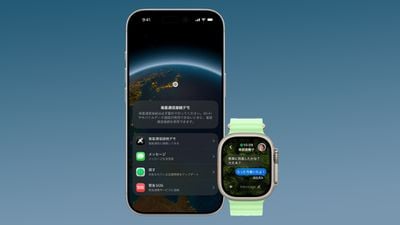
When attempting to send a message with no cellular or Wi-Fi connection, iPhone users in Japan will see a message that prompts them to connect to the nearest satellite. After connecting, users can send and receive iMessages, SMS messages, emoji characters, and use the Messages Tapback feature.
Messages sent via satellite offer the same end-to-end encryption as messages sent over Wi-Fi or cellular.
Japanese users already had access to emergency SOS via satellite and the option to share location via satellite in the Find My app, so the new Messages via satellite option joins those two features.
iOS 18 or later is required for Messages via satellite on iPhone, while the feature needs watchOS 26 or later on the Apple Watch Ultra 3. Satellite connectivity continues to be free for all iPhone and Apple Watch users with supported devices.
Popular Stories
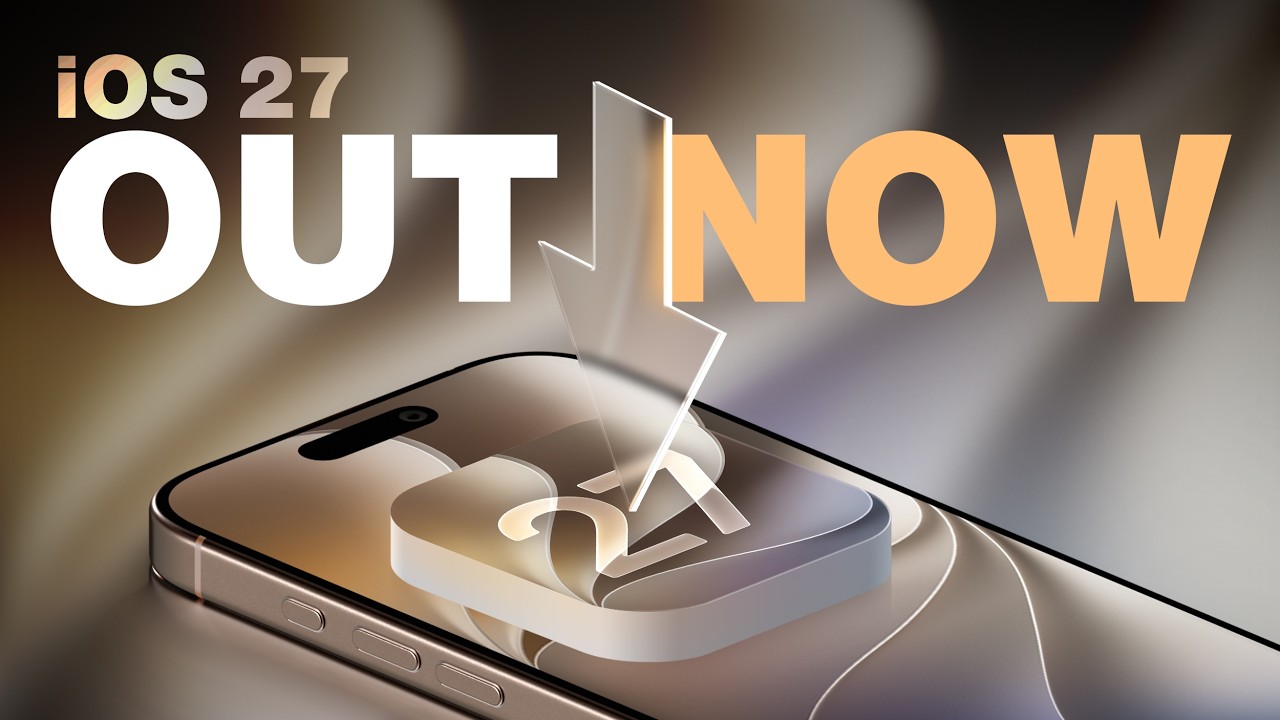
Update 10:04 a.m.: iOS 27 is rolling out now, though it may take a bit for all users to see it, so keep checking!
Apple is about to release iOS 27, which will finally deliver more advanced Siri AI capabilities as well as a variety of other refinements, improvements, and new features to iPhones. It's Apple's biggest software update of the year, and Apple announced at Wednesday's iPhone event...
Update — 10 a.m. Pacific Time: Apple has released iOS 27.
During its iPhone 18 Pro and iPhone Duo event last week, Apple announced that iOS 27 will be released widely on Monday, September 14.
iOS 27 should be available around 10 a.m. Pacific Time / 1 p.m. Eastern Time today via the Settings app, under General → Software Update.
Below, we have highlighted eight new features and...
As noted by Nicolas Lellouche, who writes for the French tech website Numerama, Apple has updated its tech specs pages for the iPhone 18 Pro and iPhone 18 Pro Max to clarify which models are equipped with its new C2 cellular modem and where.
Apple now says the iPhone 18 Pro has a C2 modem worldwide, while the iPhone 18 Pro Max uses the chip in every country except for the U.S.
According...