Netflix says it's not currently testing spatial audio support for the AirPods Pro and AirPods Max, putting to rest an earlier report that claimed support would roll out in the spring.
In a statement to MacRumors, a Netflix spokesperson says that it's not currently testing spatial audio support, and has no plans to make public at this point in time. Netflix instead says it was testing multi-channel support for built-in speakers, as part of its mission to "improve" its service, and evaluate "new experiences" for users.
Netflix and AirPods users have been on edge, waiting for the streaming giant to adopt the feature. The pressure on Netflix isn't made any lighter given the fact that a number of its biggest competitors such as Disney Plus, HBO Max, and of course, Apple TV+, all already include Spatial audio support.
Spatial audio brings three-dimensional sound to your AirPods Pro and AirPods Max. Your iOS device will compare its own data from the gyroscope and accelerometer against the data from your AirPods, to ensure that your sound field stays anchored to the device even if you move your head.
Friday October 23, 2026 11:05 am PDT by Juli Clover
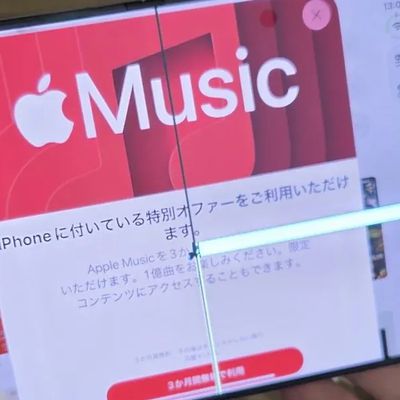
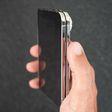
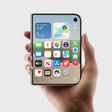
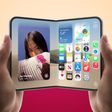
Some iPhone Duos are already experiencing hinge issues that cause display cracks, based on photos shared on Reddit and the MacRumors forums. Almost all of the display faults are right along the hinge, and most result in a line of bright pixels across one side of the screen.
An iPhone Duo owner in Australia said his device cracked after being opened fewer than 20 times, and there was no...
Friday October 23, 2026 7:11 am PDT by Joe Rossignol
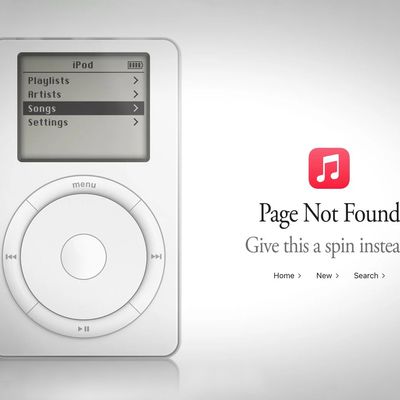
Apple Music has a 404 page easter egg on the web: a functional iPod that appears when you load a page that does not exist, such as music.apple.com/macrumors.
"Page Not Found," says Apple. "Give this a spin instead."
Apple is clever with this. If you navigate to music.apple.com/ipod instead, the page says "Looking for something?" instead of "Page Not Found."
The easter egg is only...
Saturday October 24, 2026 11:27 am PDT by Tim Hardwick
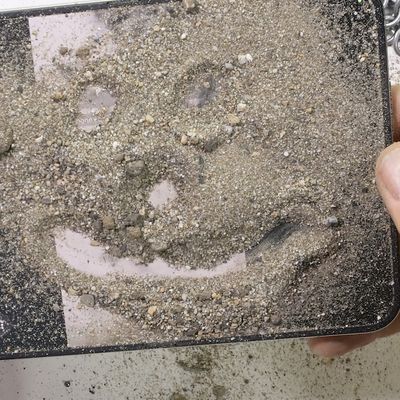
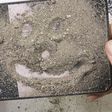
Apple's iPhone Duo has failed JerryRigEverything's latest durability test. Despite its IP68 dust-resistance rating, dust entered the hinge through several ingress points, overwhelming the magnets that hold the phone shut. The bend test then left a permanent green line across the inner display, before the screen became unresponsive.
The outer screen with Ceramic Shield 2 scratched at level 7...
Apps with with Video players should be required to support system features like spatial audio and PiP. It’s crazy that apps like Netflix and YouTube stubbornly refuse to support them.
Spatial audio is a nice gimmick but use cases are severely limited. How often are people watching movies on their headphones and on their iPads, by themselves?
When my partner is asleep in bed and I don't want to disturb them.
Spatial audio is a nice gimmick but use cases are severely limited. How often are people watching movies on their headphones and on their iPads, by themselves?
Almost every day. I’ve gotten so used to spatial audio with Apple TV and Disney+ that Netflix is definitely a noticeable tick down in audio experience now. So I’m very bummed to hear that they aren’t actively working towards.
Spatial audio is a nice gimmick but use cases are severely limited. How often are people watching movies on their headphones and on their iPads, by themselves?
You sound like a boomer. There are hundreds of thousands of students, for example, who procrastinate and watch Netflix on their their iPhone and/or iPad. Lol


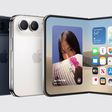
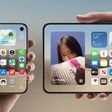
 Image via iPhoneSoft