In a blog post shared by ZDNet, security researcher Vishal Bharad claims that he found a bug that would have allowed a hacker to inject a virus or malicious script onto Apple's iCloud website.
According to Bharad, the vulnerability consisted of creating a Pages or Keynote document on the iCloud website with the name field containing the XSS payload. Sharing the document with another user, creating a change, saving, and then clicking "Browse All Versions" under Settings would have triggered the XSS payload.
Given the vulnerability revolved around the iCloud website, it's not linked to a recent software update and has reportedly been patched by Apple server-side. Bharad says he submitted the issue to Apple on August 7, 2020, and received a $5,000 bounty on October 9, 2020. We've reached out to Apple for comment and we'll update if we hear back.
Tuesday October 6, 2026 3:27 am PDT by Tim Hardwick
Yesterday we reported that Apple tripled the number of iCloud Mail aliases users can create, from three to nine. But it turns out that's not the only email-related limit Apple has raised. The company has also bumped the number of email addresses you can use per iCloud Custom Domain, from three to 10.
If you subscribe to iCloud+, you can use a domain name you already own for your iCloud Mail...
Monday October 5, 2026 5:15 am PDT by Tim Hardwick
Apple appears to have quietly tripled the number of iCloud Mail aliases users can create, increasing the limit from three to nine. The increase was first noticed last week by a Reddit user, and picked up shortly after by a member of the MacRumors forums. MacRumors can confirm the change is live at iCloud.com.
The increased limit has not been mentioned by Apple, so it could conceivably be a...
Friday October 23, 2026 11:05 am PDT by Juli Clover
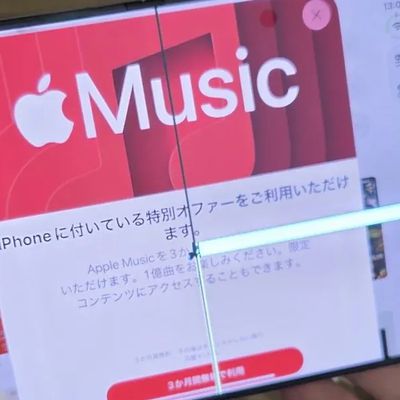
Some iPhone Duos are already experiencing hinge issues that cause display cracks, based on photos shared on Reddit and the MacRumors forums. Almost all of the display faults are right along the hinge, and most result in a line of bright pixels across one side of the screen.
An iPhone Duo owner in Australia said his device cracked after being opened fewer than 20 times, and there was no...