Sharp Developing Thinner p-Si LCDs for Sixth-Generation iPhone?
According to a
report [
Google translation] from Japanese newspaper
Nikkan Kogyo Shimbun (
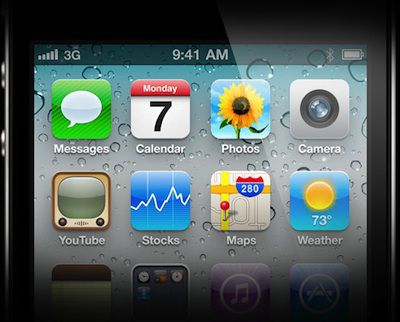
via AppleInsider), Sharp has been tabbed as a manufacturer for next-generation poly-silicon (p-Si) display technology for the sixth-generation iPhone due in 2012. The technology, which permits electrical components to be integrated directly into the glass surface, is said to allow for thinner and lighter screens that consume less power than currently-used technologies.
Sharp will begin manufacturing of the displays in the spring of next year according to Japanese newspaper Nikkan. The company is said to have already begun preparing equipment at its Kameyama Plant No. 1, which is primarily used for building LCD TVs.
The article also contains an apology for last week's report claiming that Sharp had been cut out of the supply chain for future iPhones by a deal between Apple and Toshiba to push forward on a new plant for displays, a claim that Sharp had publicly refuted and for which the company had requested an apology and retraction. Consequently, today's report has led to speculation that Sharp may have intentionally leaked information about the new p-Si displays in order to counteract the earlier report about Toshiba.
Popular Stories
Apple today launched a new research study in the U.S. to explore the use of AI for health, and it has released a dedicated iPhone app for participants.
In a press release, Apple said the study and app are "designed to advance the understanding of how people interact with conversational health AI tools."
The Apple Health AI Study App contains a generative AI chatbot that participants can...
Apple today added a new option for unlocking the iPhone Duo using the front-facing camera, giving device users multiple ways to access their content. The feature is available in the second iOS 27.3 beta.
The option to unlock with facial recognition is only available on the Lock Screen, and authentication via Touch ID is still needed for Apple Pay purchases, adding passwords and logins, and...
Hackers used some of the world's most popular websites to distribute malware designed to steal cryptocurrency and exploit vulnerabilities in iPhones and iPads this week, according to a new security investigation.
Reuters reports that websites associated with 178 organizations were affected by the attack on Monday, November 16, including the likes of Zoom, BBC, CNN, HSBC, Salesforce, and...