Apple's iPhone 17 Pro and iPhone 17 Pro Max replace the titanium frame introduced two years ago with a new aluminum design. Here's why.
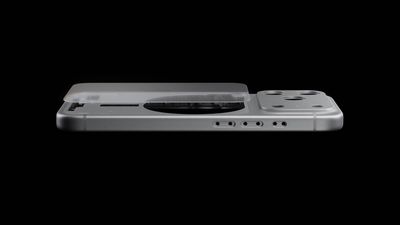
Apple introduced titanium to the iPhone with the iPhone 15 Pro and Pro Max back in 2023, with the change even becoming the device's marketing tagline. While the devices were said to be more durable, they also suffered from complaints about overheating.
The titanium frame provided excellent rigidity and durability, but aluminum is lighter and offers better heat dissipation, which Apple has prioritized alongside the introduction of the A19 Pro chip and a new vapor chamber cooling system. Aluminum's thermal conductivity is substantially higher than titanium's, helping to distribute heat away from critical components under heavy workloads.
Titanium's machining complexity, slower production speeds, and higher scrap rates may have also contributed to the decision. Titanium frames require specialized tooling and precise CNC milling, while aluminum is less expensive and easier to produce at scale.
Aluminum also has a smaller carbon footprint than titanium, especially when sourced through Apple's low-carbon smelting partnerships. Apple's ability to recycle aluminum efficiently at scale may better align with its environmental strategy, while titanium's more energy-intensive production makes it less suitable for widespread use.
The new aluminum chassis on the iPhone 17 Pro series also enables new color options, with Apple introducing a new dark blue and a vibrant orange finish. Titanium's limitations in anodization are believed to have constrained Apple's ability to offer brighter finishes in previous Pro models.
However, titanium will not disappear entirely but instead become a defining feature of the newly introduced iPhone Air, an ultra-thin model measuring 5.6mm thick. The use of titanium is likely necessary to maintain structural rigidity while achieving unprecedented thinness.