Security Fixes Won't Require Full iOS Update in iOS 16, Will Be Installed Automatically
Apple in iOS 16 is introducing a new Rapid Security Response feature that's designed to make it easier and quicker for the company to deploy security improvements.
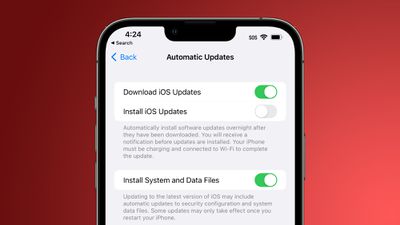
Security updates will be able to be automatically applied between standard software updates, so implementing security fixes will not require a full new version of iOS.
It's also going to let Apple automatically install security updates on many devices without people even having to think about it. There is a new "Install System and Data Files" option in Settings > General > Software Update that lets users toggle on automatic security updates independent of iOS updates.
For those who prefer not to have security updates, such as jailbreakers, the toggle does make it possible to avoid all security updates when it is disabled. It's worth noting that the "Install System and Data Files" option is enabled by default when installing iOS 16, so you'll need to manually turn it off if you are not interested in using the feature.
Popular Stories
Apple today sent out invites for an experience in Los Angeles on Wednesday, October 28, and the "Pro and tell" tagline on the invitation likely means that the rumored MacBook models with touch-enabled OLED displays will stick with MacBook Pro branding instead of the once-rumored "MacBook Ultra" name.
The long-rumored "iPhone Ultra" ended up being named iPhone Duo, so speculation that Apple...
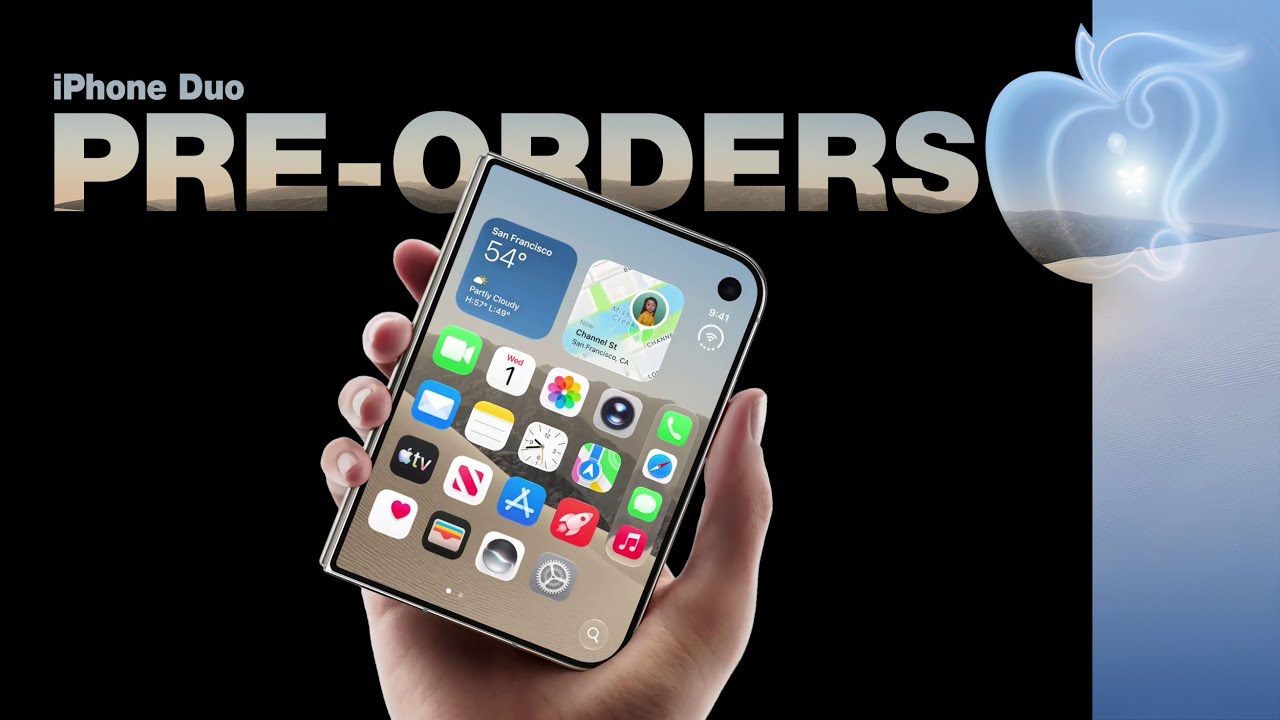
With just three days to go until the iPhone Duo is released, Apple is getting ready for the launch. Behind the scenes, the App Store now has screenshots of Apple's built-in apps running on the Duo. We've seen some apps in marketing materials, but images of the ones we haven't seen give us an idea of what it will be like using the iPhone Duo day to day.
Many apps are shown in landscape...
Apple's Greg Joswiak today hinted at new product announcements coming next week, sharing a social media post that says "Can't wait to pro and tell next week."
Rumors suggest Apple is planning to debut the new MacBook Pro with an OLED touchscreen display, an M6 entry-level MacBook Pro, an M6 iMac, an iPad mini with an OLED display.
Can't wait to pro and tell next week....