Google today announced that the Exposure Notification API that it designed in partnership with Apple has received some improvements to make it more useful to public health authorities.
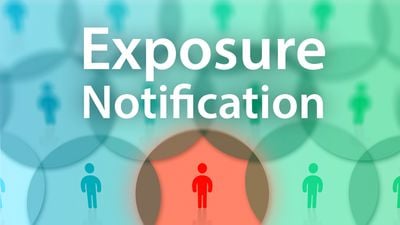
Most notably, the API supports interoperability between countries, and Bluetooth calibration has been improved. The full list of updates is below:
- When an exposure is detected, public health authorities now have more flexibility in determining the level of risk associated with that exposure based on technical information from the API.
- Bluetooth calibration values for hundreds of devices have been updated to improve the detection of nearby devices.
- The API now supports interoperability between countries, following feedback from governments that have launched Exposure Notification apps.
- To help public health authorities build apps more efficiently, we've added reliability improvements for apps and developer debug tools.
- We've improved clarity, transparency and control for users. For example, the Exposure Notifications settings on Android now include a simple on/off toggle at the top of the page. In addition, users will also see a periodic reminder if ENS is turned on.
Google says it has also launched more technical guidance on how the Exposure Notification API works over the course of the last few weeks, and is providing more information on its Exposure Notifications website.
According to Google, 16 countries and regions across Africa, Asia, Europe, North America, and South America are using apps built with the Exposure Notification API, and 20 U.S. states are "exploring" apps with the first set to roll out "over the coming weeks."


































![Apple Watch Ultra 3 Hits New Low Price With Amazon's $299 Discount [Updated]](https://images.macrumors.com/t/BXKI27vT0hWfumJQpYzf41rH3Mw=/112x112/article-new/2026/10/apple-watch-ultra-3-milanese.jpeg)