Apple Explains Why iMessage Hasn't Expanded to Android
 In a wide-ranging commentary piece about WWDC 2016, tech journalist Walt Mossberg included an interesting bit about why Apple has not expanded iMessage to competing software platforms like Android.
When I asked a senior Apple executive why iMessage wasn’t being expanded to other platforms, he gave two answers. First, he said, Apple considers its own user base of 1 billion active devices to provide a large enough data set for any possible AI learning the company is working on. And, second, having a superior messaging platform that only worked on Apple devices would help sales of those devices — the company’s classic (and successful) rationale for years.
Last week, a questionable rumor surfaced claiming that Apple planned to announce iMessage for Android at WWDC 2016, but the keynote passed without any mention. Apple's executive team evidently views iMessage as a big enough selling point to keep it exclusive to Apple devices like the iPhone and Mac for now, despite Android having over 1.4 billion active users worldwide as of September 2015.
Popular Stories
DoorDash is inviting U.S. customers to join a waitlist for an AI assistant that can take food orders through Apple's Messages app (via Bloomberg).
The phone number used in the conversation connects the request to a customer's DoorDash account. The assistant can use previous purchases and preferences to help put together an order, then use a saved payment method at checkout. Customers can...
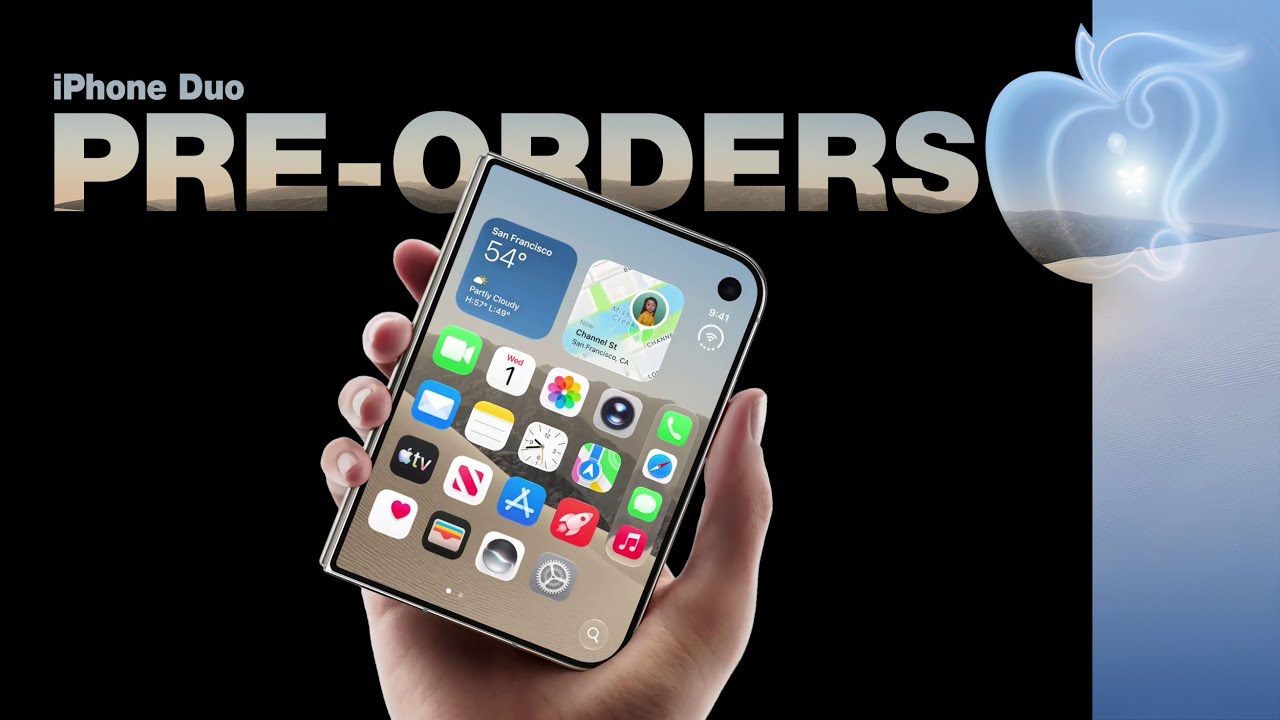
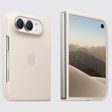
Some Apple retail employees have been told to warn customers against visiting to purchase an iPhone Duo without a pre-order on Friday, October 23.
Apple Store employees told MacRumors that they have been advised that there will likely be no iPhone Duo stock available for walk-in purchases on launch day. Staff have been instructed to discourage customers without pre-orders from coming in...
Apple today sent out invites for an experience in Los Angeles on Wednesday, October 28, and the "Pro and tell" tagline on the invitation likely means that the rumored MacBook models with touch-enabled OLED displays will stick with MacBook Pro branding instead of the once-rumored "MacBook Ultra" name.
The long-rumored "iPhone Ultra" ended up being named iPhone Duo, so speculation that Apple...