Samsung claims to be the first to accomplish the feat of mass-producing 16 gigabit NAND flash memory, which is being manufactured at 51 nm, down from 60 nm with previous 8 gigabit technology.
The new 16Gb chip which has a multi-level cell (MLC) structure can facilitate capacity expansion by offering 16 gigabytes (GBs) of memory in a single memory card. Furthermore, by applying the new process technology, Samsung has accelerated the chips read and write speeds by approximately 80 percent over current MLC data processing speeds.
Apple currently uses flash memory in many of its products, including the iPod Nano, iPod Shuffle, and the upcoming iPhone. Rumors have been circulating that Apple will adopt Intel's flash caching technology (featured in the Santa Rosa platform) in its future MacBook lineups. Some analysts have even gone so far as to claim that Apple may introduce a totally flash-based laptop.
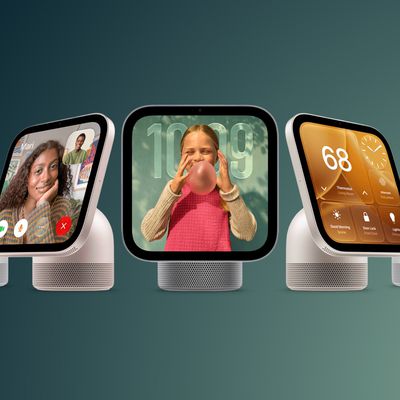
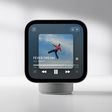
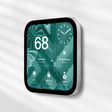
Apple today announced the "HomeView," an all-new kind of smart home hub featuring a 7-inch Liquid Retina display and Siri AI.
Apple's senior vice president of Worldwide Marketing Greg Joswiak said:
Apple HomeView is designed to be shared by everyone in the home yet feel completely personal to each user. It recognizes your face to shift from a household screen to your own experience,...
Tuesday October 13, 2026 6:08 am PDT by Joe Rossignol
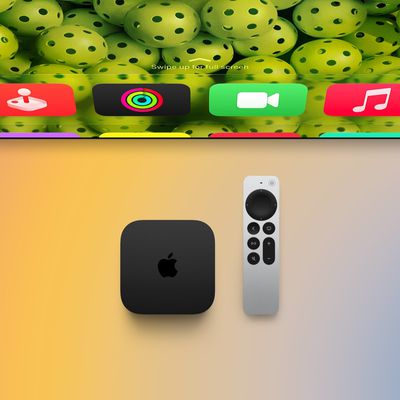
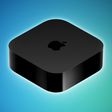
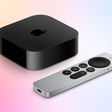
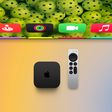
Apple today announced the fourth-generation Apple TV 4K, with key features including an A19 chip, Siri AI support, an updated Siri Remote that has Find My support with Precision Finding, built in far-field microphones, support for surround sound with four HomePods in front and rear pairs, and more.
The A19 chip in the new Apple TV 4K delivers up to 50% faster CPU performance and up to twice...
Tuesday October 13, 2026 9:39 am PDT by Joe Rossignol
MacRumors was first to reveal the name "HomeView" last week, after discovering a trademark filing from a secretive shell company that we correctly suspected was linked to Apple.
Apple was likely behind a "homeOS" trademark filing as well, but the company ultimately decided to stick with generic "HomeView software" naming, just like it refers to the HomePod's operating system as "HomePod...
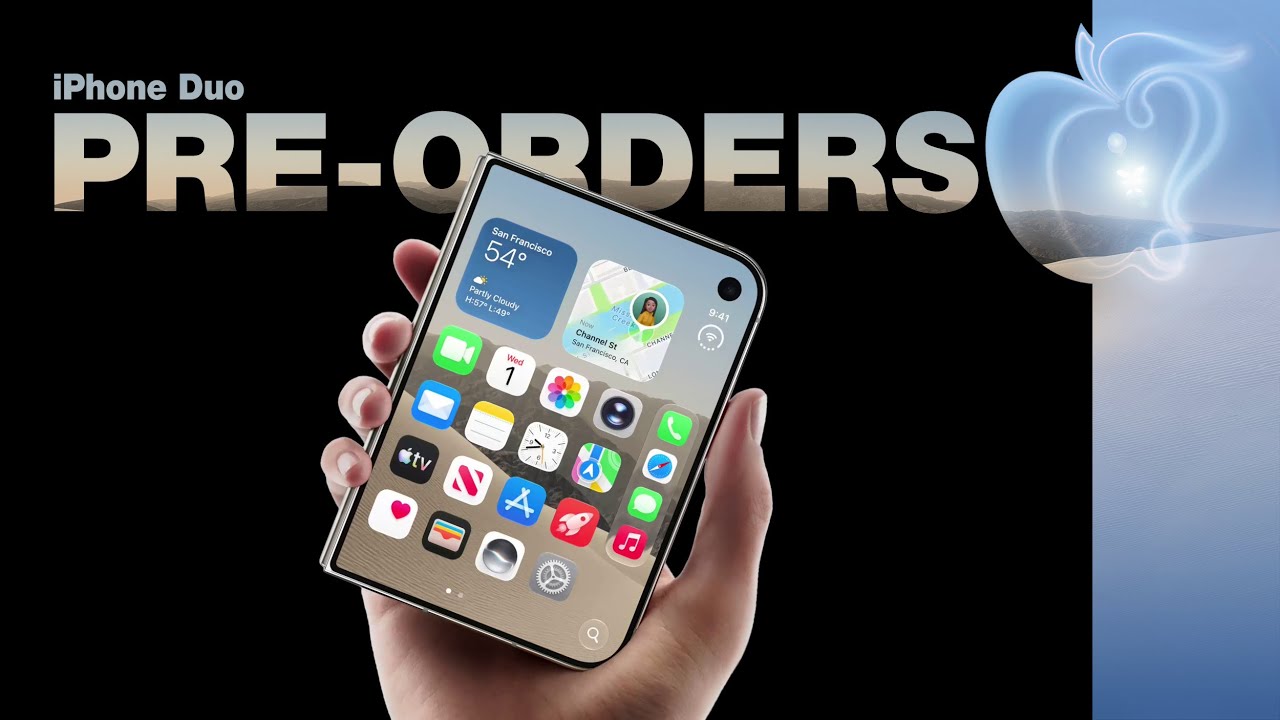
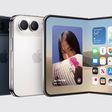
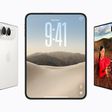
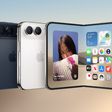
Apple's first foldable iPhone, with a book-style design featuring a 5.4-inch outer display and a 7.6-inch inner display with a minimal crease down the middle.