No Virtualization in Mac OS X 10.5 (Leopard)?
Macworld reports on comments by Needham and Company analyst Charles Wolf on Apple's Windows-compatiblilty plans for upcoming versions of Mac OS X.
Specifically, Wolf asked Phil Schiller about Apple's plans for incorporating "virtualization" software in the next version of Mac OS X (Leopard):
[Phil Schiller] said absolutely not, the R&D would be prohibitive and were not going to do it. Our solution is dual boot.
Virtualization allows users to launch a copy of Windows under Mac OS X to run applications side-by-side, while "Dual Boot" requires users to reboot to switch between Windows and Mac OS X.
There had been some speculation that Apple was going to adopt Parallel's virtualization solution since it is now promoted on their Get a Mac campaign, but was conclusion was entirely speculative. Also, early Leopard rumors claimed that it would incoporate Virtualization from Apple, but this appears to be inaccurate.
Meanwhile, Codeweavers is taking this virtualization a step further by attempting to run specific Windows applications under Mac OS X without requiring Windows to be loaded at all.
Popular Stories
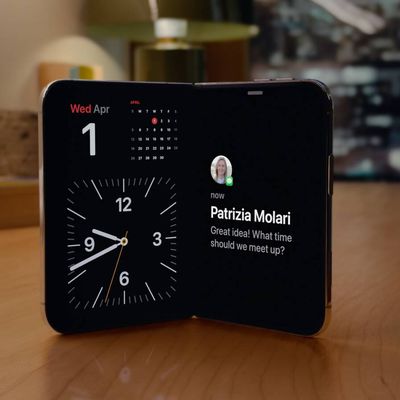
Some Apple retail employees have been told to warn customers against visiting to purchase an iPhone Duo without a pre-order on Friday, October 23.
Apple Store employees told MacRumors that they have been advised that there will likely be no iPhone Duo stock available for walk-in purchases on launch day. Staff have been instructed to discourage customers without pre-orders from coming in...
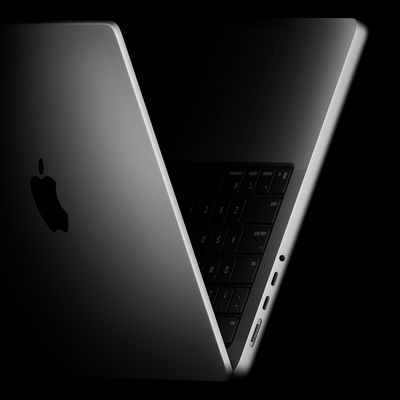
Apple today sent out invites for an experience in Los Angeles on Wednesday, October 28, and the "Pro and tell" tagline on the invitation likely means that the rumored MacBook models with touch-enabled OLED displays will stick with MacBook Pro branding instead of the once-rumored "MacBook Ultra" name.
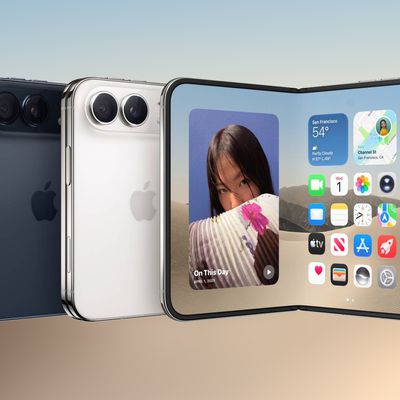
The long-rumored "iPhone Ultra" ended up being named iPhone Duo, so speculation that Apple...
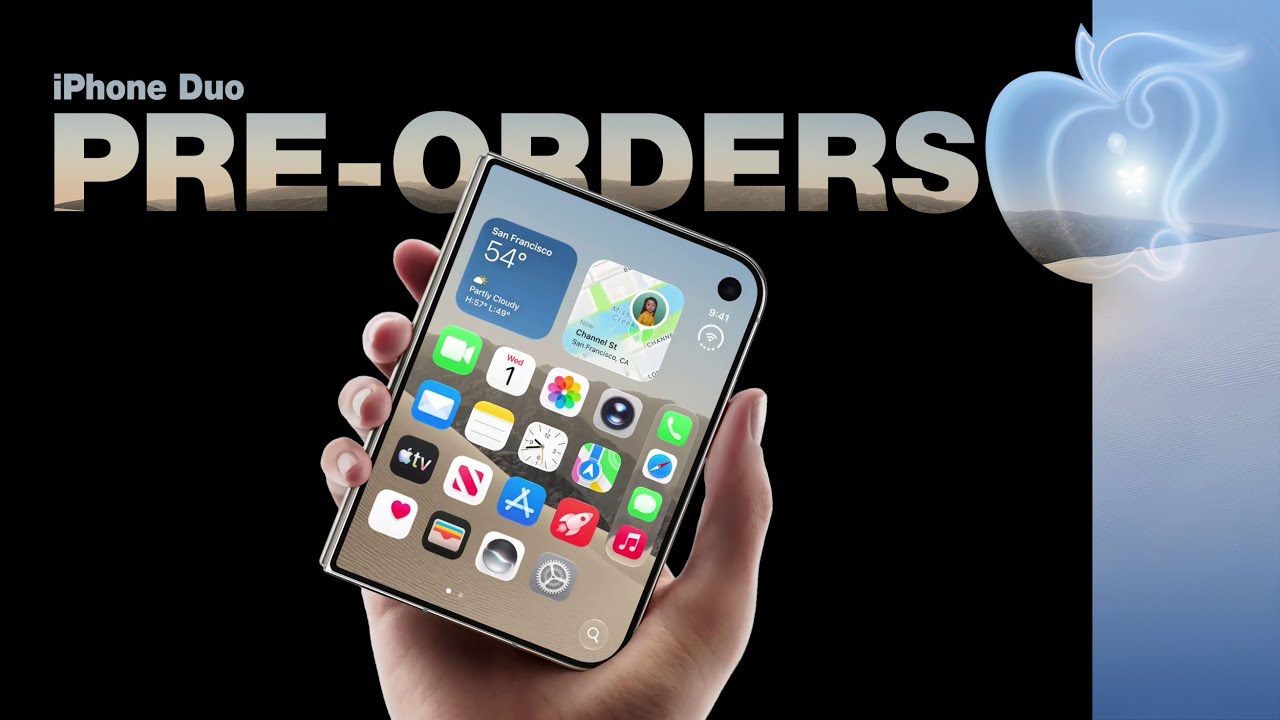
Despite knowing that the iPhone Duo would face "severe supply constraints" due to manufacturing challenges, Apple chose to begin iPhone Duo pre-orders on Friday instead of waiting until it had more inventory ready, according to Bloomberg's Mark Gurman. In his Power On newsletter today, he called this decision a "major mistake."
"Let me cut to the chase: Apple made a major mistake here," he...