macOS Golden Gate Marks the End of an Era
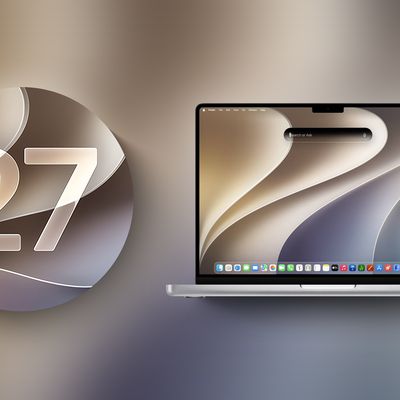
macOS 27 Golden Gate is not compatible with any Macs with Intel processors, marking the end of an era. The update, which was released today following three months of beta testing, is limited to Apple silicon Macs with an M1 chip or newer.
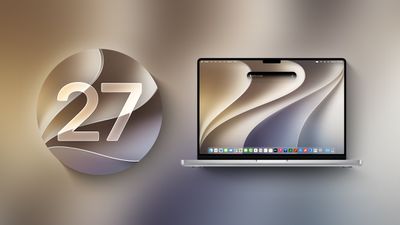
Last year, Apple said that macOS 26 Tahoe would be the final macOS release compatible with Intel-based Macs, so this was an expected development.
Intel Macs that can run macOS Tahoe, but not macOS Golden Gate:
- 13-inch MacBook Pro (2020, Four Thunderbolt 3 Ports)
- 16-inch MacBook Pro (2019)
- 27-inch iMac (2020)
- Mac Pro (2019)
Apple said Intel-based Macs will continue to receive security updates for three years.
macOS 27 Golden Gate can still run Intel apps on Apple silicon, as it is the final major macOS release to include Apple's full Rosetta translation layer.
Here are the Macs compatible with macOS Golden Gate, according to Apple:
- MacBook Neo (2026)
- MacBook Air with Apple silicon (2020 and later)
- MacBook Pro with Apple silicon (2020 and later)
- iMac (2021 and later)
- Mac mini (2020 and later)
- Mac Studio (2022 and later)
- Mac Pro (2023 and later)
macOS Golden Gate features Siri AI, design improvements, performance enhancements, and more.
Popular Stories
macOS Golden Gate 27.2 adds code referencing new touch-specific gestures in apps like Safari, Notes, Photos, and Quick Look, a possible sign Apple is preparing to release the rumored OLED touchscreen MacBook, possibly called the "MacBook Ultra."
Code in the latest beta adds new gesture recognition tools to several Apple apps. Safari gets a touch sentinel recognizer, Photos has...
Apple today released macOS Golden Gate 27.2, the first major update to the macOS 27 operating system that launched in September.
Mac users can download macOS Golden Gate 27.2 by opening up the System Settings app and using the Software Update option.
macOS Golden Gate 27.2 overhauls the brightness and volume sliders, plus it expands Siri AI to new languages including French, Japanese,...
Upgrading to macOS 27 no longer removes an existing Rosetta installation, according to Apple's enterprise release notes for macOS 27.2. Previously, upgrading to macOS 27 removed existing installations of Rosetta, the translation tool that lets Intel-based apps run on Apple silicon Macs.
macOS 27 remains the final release with full Rosetta support. Apple plans to phase out general-purpose...