Spectre Long-Exposure iPhone Camera App Now Free, Ushering in Spectre Pro
Spectre, the long-exposure AI-powered iPhone camera app made by the developers of the popular Halide photography app, is now free.
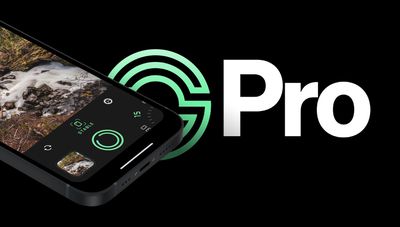
For those unfamiliar with Spectre, the app uses a computational shutter to take hundreds of photos over the course of a few seconds to create an up to 3-second long exposure.
Because it's taking hundreds of images instead of one continuous shot, users can hold their phone while taking long exposure images with Spectre, no tripod necessary.
Previously $1.99, the app's switch to freeware marks the introduction of a new paid-for Pro version, which includes additional 15- and 30-second exposure modes, plus a new Pro icon.
Spectre Pro is a free upgrade to existing users, while new users can unlock the Pro version for a $4.99 one-time purchase. The app works on the iPhone 6S and newer and requires iOS 15 and later, and is available to
download from the App Store.
Popular Stories
The Apple launches keep coming! The company is set to release two new products on Friday, November 13: the all-new Apple HomeView and the fourth-generation Apple TV 4K, both of which have been available to pre-order since mid-October.
Apple HomeView: Apple's new smart home display, powered by Apple Intelligence with Siri AI, for entertainment and managing the home. Available in tabletop and...
Apple has announced that the long-running Apple Support Community discussion forums for user-to-user tech support will be permanently closing on Friday, November 20. The forums have existed in some form for nearly 30 years, so it is the end of an era.
Effectively immediately, the Apple Support Community forums are in a read-only state, with new posts no longer being accepted. The final...
Apple has made a change to its development process for iOS 28, macOS 28, and corresponding software updates, according to Bloomberg's Mark Gurman.
In his Power On newsletter today, he said Apple separates development of each year's new operating systems into three major stages. Typically, he said each stage consists of four weeks of coding followed by a four-week "convergence" period where...