Gmail Now Able to Be Set as Default Mail App on iPhone and iPad in iOS 14
Apple in iOS and iPadOS 14 is allowing third-party apps to be set as alternatives to the default browser apps on the iPhone and the iPad, and now one of the most popular third-party email apps, Gmail, can be set as the default email app on your iOS devices.
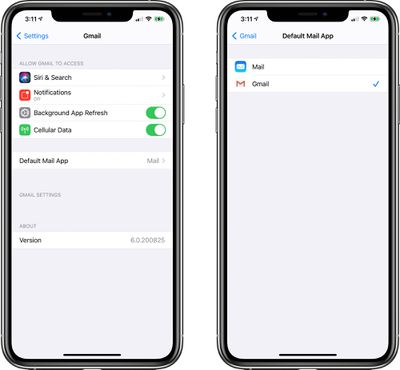
With the latest Gmail for iOS update available in the App Store as of today, Gmail can serve as a replacement for the Mail app.
You can set Gmail as the default email app on your iPhone or iPad by downloading it from the App Store, opening up the Settings app, scrolling down to Gmail in the apps list and then tapping on Default Mail App.
Google previously updated Chrome with the default browser function so it can be set to replace Safari on the iPhone and iPad. Those who prefer Google's apps can now have a mostly Google-centric experience on the iPhone, at least when it comes to browser and email.
It's worth noting that there is currently a bug that resets the default apps that have been set to replace Safari and Mail every time a device is rebooted, so Gmail may have to be updated as the default email app whenever you restart your iPhone until Apple fixes the issue.
Popular Stories
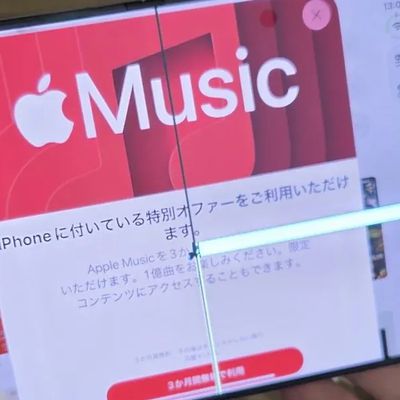
Some iPhone Duos are already experiencing hinge issues that cause display cracks, based on photos shared on Reddit and the MacRumors forums. Almost all of the display faults are right along the hinge, and most result in a line of bright pixels across one side of the screen.
An iPhone Duo owner in Australia said his device cracked after being opened fewer than 20 times, and there was no...
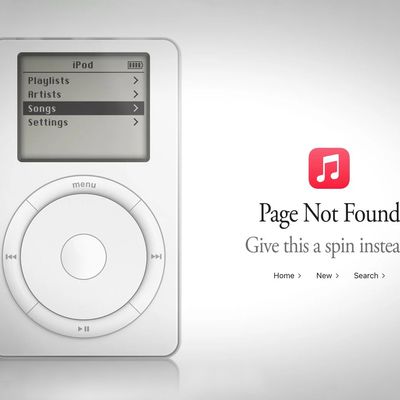
Apple Music has a 404 page easter egg on the web: a functional iPod that appears when you load a page that does not exist, such as music.apple.com/macrumors.
"Page Not Found," says Apple. "Give this a spin instead."
Apple is clever with this. If you navigate to music.apple.com/ipod instead, the page says "Looking for something?" instead of "Page Not Found."
The easter egg is only...
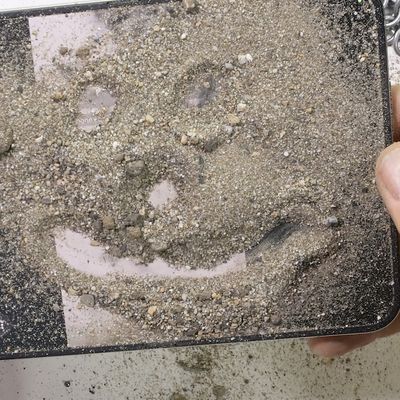
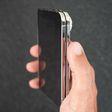
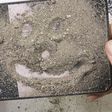
Apple's iPhone Duo has failed JerryRigEverything's latest durability test. Despite its IP68 dust-resistance rating, dust entered the hinge through several ingress points, overwhelming the magnets that hold the phone shut. The bend test then left a permanent green line across the inner display, before the screen became unresponsive.
The outer screen with Ceramic Shield 2 scratched at level 7...