Intel Unveils 10th-Generation 'Comet Lake' Chips With Speeds Over 5GHz
Intel at CES shared details on its upcoming 10th-generation 45W "Comet Lake" chips, which could be slated for future 16-inch MacBook Pro models.
As highlighted by AnandTech, the new 10th-generation chips will be built on the 14++nm architecture and will reach higher than ever speeds. The Core i7 chips will hit 5GHz speeds, while the Core i9 models will exceed 5GHz.

Intel hasn't shared additional details on the chips yet, but AnandTech speculates that Intel will introduce Turbo Boost Max 3.0 and Velocity Boost technology to the chips.
There are already a few manufacturers such as Acer and Lenovo that have announced support for the new 45W chips, and Intel believes the hardware will be coming to the market soon, so these may be the chips Apple will use in a 2020 16-inch MacBook Pro refresh.
Popular Stories
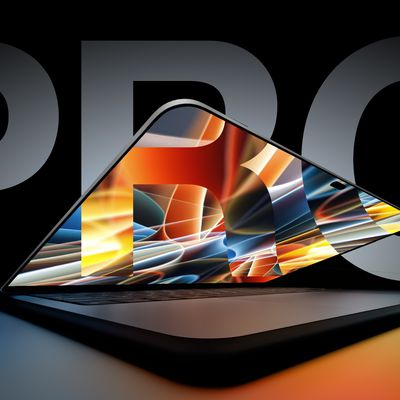
Apple today sent out invites for an experience in Los Angeles on Wednesday, October 28, and the "Pro and tell" tagline on the invitation likely means that the rumored MacBook models with touch-enabled OLED displays will stick with MacBook Pro branding instead of the once-rumored "MacBook Ultra" name.
The long-rumored "iPhone Ultra" ended up being named iPhone Duo, so speculation that Apple...
Apple will introduce new OLED touchscreen MacBook Pro models and an OLED iPad mini "on or around" Tuesday, October 27, reports Bloomberg. The launch will also include an M6 14-inch MacBook Pro and an M6 iMac.
The October 27 follows Apple's October 13 debut of a new smart home hub, a revamped Apple TV 4K, and a refreshed HomePod mini. Earlier this month, MacRumors reported that Apple would do ...
Apple has begun inviting selected members of the media to a product launch experience in Los Angeles on Wednesday, October 28, according to Bloomberg's Mark Gurman.
In a post on X, Gurman described the gathering as an "all-day product launch experience" for touchscreen MacBooks, a new iPad mini, and Macs equipped with M6 chips.
Gurman previously reported that Apple would introduce the...