NotebookLM Now Creates Cinematic Video Overviews Out of Your Notes
Google's NotebookLM AI-based tool can now turn your research and notes into fully animated "cinematic" videos – an advancement over its original video overview feature that was introduced last year.
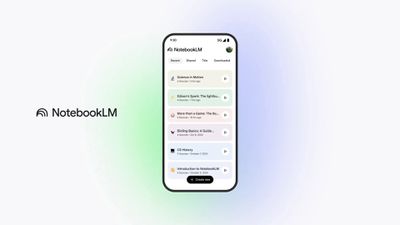
Before now, video overviews were limited to generating slideshows of your research and writing, but the new Cinematic Video Overview feature uses Gemini 3, Nano Banana Pro, and Veo 3 models to generate animated visuals "to help you learn and engage with the topics you care about," says Google.
Google says Gemini acts as a creative director, making hundreds of structural and stylistic decisions to best tell the story with your sources. It determines the best narrative, visual style and format, and also refines its own work to ensure consistency.
Cinematic Video Overviews are available in English for Google AI Ultra subscribers over 18 on web and mobile, and there's a maximum of 20 overviews generated per day. The
NotebookLM app is available on the App Store for iPhone and iPad.
Popular Stories
Google today said its digital wardrobe option is available in the Google Photos iOS app in the U.S., India, and Brazil.
Google first announced the feature back in April, but it was limited to Android users until now. The wardrobe option uses AI to pull images of clothing from the Google Photos library, organizing them into a digital closet.
Users can put items together to create outfits ...
In a post on its developer news website today, Apple announced that it will be introducing "additional controls" for the "Full Disk Access" setting on macOS due to new risks posed by AI agents. This announcement comes amid the rise of always-on AI agents like Meta's Muse and OpenAI's Dots, which have prompted privacy concerns.
"Some developers are using Full Disk Access in ways that could...
Apple today confirmed that a "small number" of iPhone 18 Pro Max users on the AT&T network have experienced an issue that causes the device to lose cellular service, thereby preventing phone calls, text messages, and data from working. Thousands of users complained about the issue across the Apple Support Community and other platforms.
Apple said it released iOS 27.0.1 earlier this week and...