

iPhone 18 Pro
The iPhone 18 Pro and iPhone 18 Pro Max are Apple's next-generation pro-level iPhones. Launched September 18.
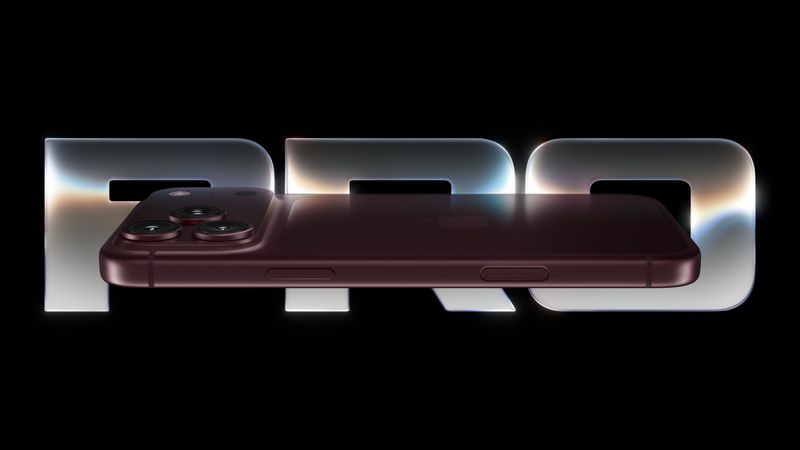
Ask MacRumors
Should You Buy the iPhone 18 Pro?
The iPhone 18 Pro and iPhone 18 Pro Max are Apple's flagship iPhones, introduced alongside the dual display iPhone Duo. The iPhone 18 Pro models launched in September 2026, which means now is the best time to buy.
While the iPhone 18 Pro models don't have much in the way of design changes, there is a smaller Dynamic Island and new color options. Apple included a new Main camera with a bigger sensor and a variable aperture, plus there's a new A20 Pro chip built on the latest 2nm node.
A more efficient processor and larger battery extends battery life, and the iPhone 18 Pro models have the longest battery life of any iPhone to date. These are Apple's highest-end iPhones, with the most advanced feature set.
Apple increased iPhone pricing with the iPhone 18 Pro models. The iPhone 18 Pro starts at $1,199, and the iPhone 18 Pro Max starts at $1,299. There is no standard iPhone 18 yet, but it is rumored to be coming in early 2027.
The iPhone 18 Pro models and the $1,999 iPhone Duo are the only new iPhones that are launching in fall 2026.
The iPhone 18 Pro and iPhone 18 Pro Max
Contents
The iPhone 18 Pro and iPhone 18 Pro Max are Apple's latest flagship smartphones, which were introduced alongside the foldable iPhone Duo that's coming in October. The iPhone 18 Pro models are Apple's most advanced smartphones with the fastest performance and upgraded camera system.
Apple didn't change the size of the iPhone 18 Pro models, and they have the same dimensions as the iPhone 17 Pro models. The iPhone 18 Pro has a 6.3-inch display and the iPhone 18 Pro Max has a 6.9-inch display. Both devices are slightly heavier than their predecessors due to upgraded batteries and a new cooling system.
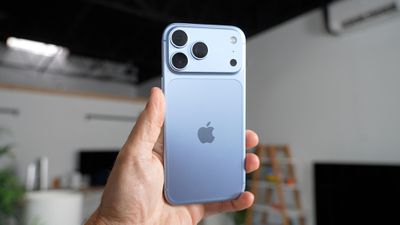
The iPhone 18 Pro and Pro Max have a unibody aluminum frame that covers the sides, the camera area, and some of the back. There is a cutout for MagSafe charging and Apple made some small adjustments to the design. There is no longer a stark color difference between the aluminum and the glass, with Apple eliminating the two-tone design. The MagSafe cutout is made from a Ceramic Shield material that's more durable than traditional glass.
The camera plateau has a three-lens setup that spans the back of the device, with antenna bands that wrap around it. An Action button is next to the volume buttons, while the Camera Control that activates the camera is on the right side of the device. A USB-C port at the bottom is available for charging. The iPhone 18 Pro models come in Silver, Black, Glacier, and Burgundy.
Durable Ceramic Shield 2 protects the display, and the display itself now has a smaller Dynamic Island that takes up less screen space. The Dynamic Island now supports three Live Activities instead of two. Display features include 120Hz ProMotion refresh rates, 3,000 nits peak brightness when outdoors, 1-nit minimum brightness for Always-On Display, and an anti-reflective display coating. There's a front-facing 18MP Center Stage selfie camera and a TrueDepth camera system for Face ID biometric authentication.
A new A20 Pro chip built on Apple's latest 2nm process powers the iPhone 18 Pro models. It has a 6-core CPU with two super cores and four efficiency cores, a 7-core GPU with Neural Accelerators for each core, and a dual 16-core Neural Engine for faster AI performance. Apple says the A20 Pro CPU is up to 20 percent faster and the GPU is up to 40 percent faster than the A19 Pro. It has 50 percent more memory bandwidth, and new packaging puts the die next to the memory for improved cooling. The vapor chamber cooling system has three times more surface area than the cooling system in the iPhone 17 Pro, and it supports up to 40 percent better sustained performance. There's 12GB of RAM in the iPhone 18 Pro models, the same as the iPhone 17 Pro models.
The iPhone 18 Pro models are equipped with a 48MP Fusion Main camera with a variable aperture. It has four stops: ƒ/1.48, ƒ/1.8 (the default setting), ƒ/2.8, and ƒ/4.0. The variable aperture works with new Pro controls in the Camera app that allow for manual adjustment of aperture, shutter speed, white balance, and more. The Main camera uses an upgraded sensor that lets in more light for better pictures in low light.
Along with the 48MP Fusion Main camera, there's a 48MP Ultra Wide camera with support for macro photography and a 48MP Telephoto camera with 12MP 8x optical zoom. The iPhone 18 Pro models support a new Apple Reference Image feature where the sensor signs every pixel to verify that an image was captured with the device and has not been edited.
Updated Photographic Styles add texture, grain, and color adjustments at the camera level, and Apple added a smart focus tracking feature that uses on-device intelligence to make sure the subject of a video stays in focus. 4K 120 fps Dolby Vision video is supported, and Cinematic effects can now be applied after a video is captured, and on videos shot at up to 60 fps. There's a new 4K Dolby Vision time-lapse option, and Audio Mix supports music isolation. Pro features like ProRes RAW, Apple Log 2, Genlock, and Dual Capture continue to be available.
Battery life has improved in both models. The iPhone 18 Pro lasts for up to 24 hours of typical use and up to 36 hours of video playback, while the iPhone 18 Pro Max lasts for up to 30 hours of typical use and up to 45 hours of video playback. Maximum battery life is limited to eSIM-only models, as devices with a physical SIM have smaller batteries. eSIM-only iPhone 18 Pro models are sold in the United States, Canada, Mexico, Japan, and other countries.
Charging is faster, and the iPhone 18 Pro models can charge to 50 percent in around 15 minutes using a 60W power adapter with AVS. Five minutes of wired charging gives seven hours of video on the iPhone 18 Pro Max. 25W MagSafe and Qi2 wireless charging are also available.
Most of the new iPhone 18 Pro models use an Apple-designed C2 modem, but iPhone 18 Pro Max models sold in the United States have a Qualcomm Snapdragon X80 modem. The C2 supports faster uploads than Apple's previous C1X modem, and it now offers mmWave 5G in the United States.
An Apple-designed N1 networking chip adds Wi-Fi 7, Bluetooth 6, and Thread, plus there's a second-generation Ultra Wideband chip.
Pricing starts at $1,199 for the iPhone 18 Pro and $1,299 for the iPhone 18 Pro Max, each with 256GB of storage. 512GB, 1TB, and 2TB storage upgrades are available, with 2TB new to the 6.3-inch iPhone 18 Pro this year.
Pre-orders for the iPhone 18 Pro and Pro Max started on Saturday, September 12, at 5:00 a.m. Pacific Time, and the new devices launched in more than 65 countries on Friday, September 18.
How to Buy
The iPhone 18 Pro and iPhone 18 Pro Max can be purchased from Apple retail locations, carriers, and big box stores like Best Buy. Pricing starts at $1,199 for the 256GB iPhone 18 Pro and $1,299 for the 256GB iPhone 18 Pro Max.
Reviews
iPhone 18 Pro reviewers agreed the new models are excellent devices, but with no design changes, the refresh is on the boring side. The Verge said the iPhone 18 Pro is "excellent and utterly iterative."


Independent benchmarks of the A20 Pro chip supported Apple's speed improvement claims. The iPhone 18 Pro was 24 to 26 percent faster than the iPhone 17 Pro. Reviewers noticed the iPhone 18 Pro was cooler than the iPhone 17 Pro thanks to the new larger vapor chamber cooling system.


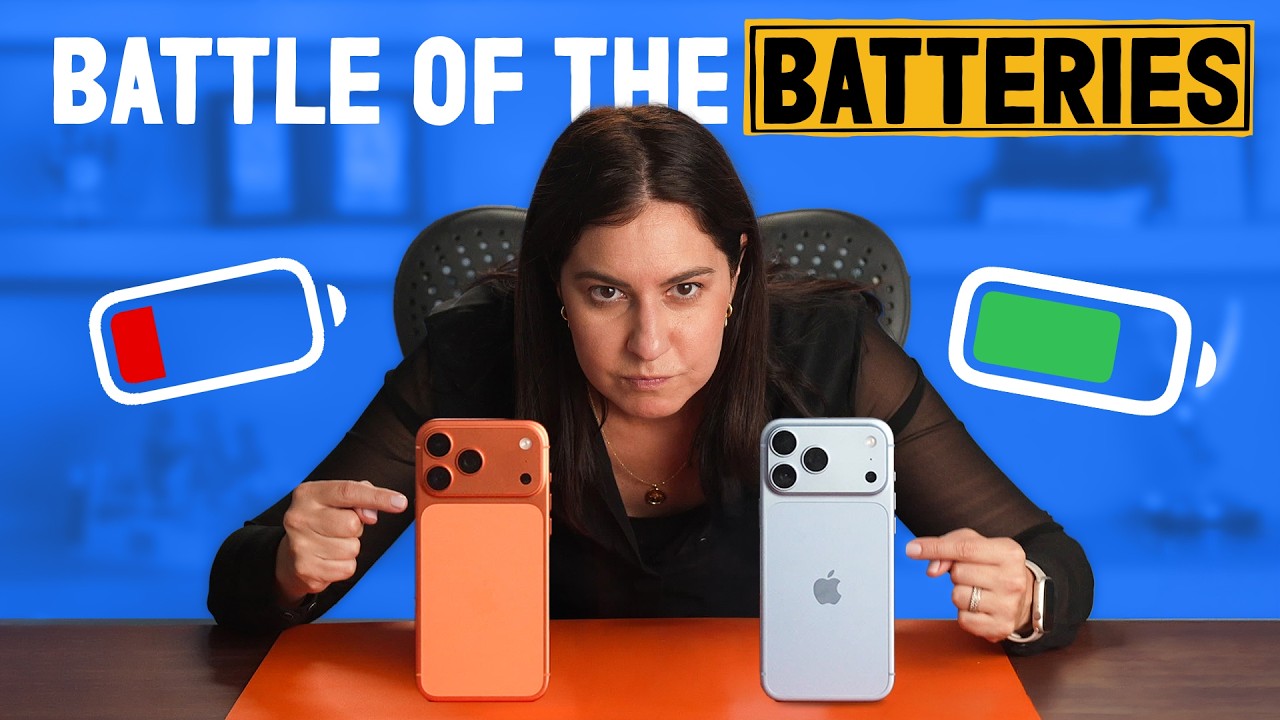
A battery life test suggested the iPhone 18 Pro Max lasted approximately a half hour longer than the iPhone 17 Pro Max, while the iPhone 18 Pro lasted an hour longer than the 18 Pro Max.

The smaller Dynamic Island was a positive, and reviewers appreciated that it now supports three Live Activities instead of two.


There is a new 48MP Fusion camera with a variable aperture and a larger sensor, and reviewers were happy with the option to have more control over light, sharpness, and depth of field. Pro controls that allow for aperture, shutter speed, and more to be manually adjusted were also a hit, though one reviewer didn't like the positioning at the bottom of the camera controls interface.
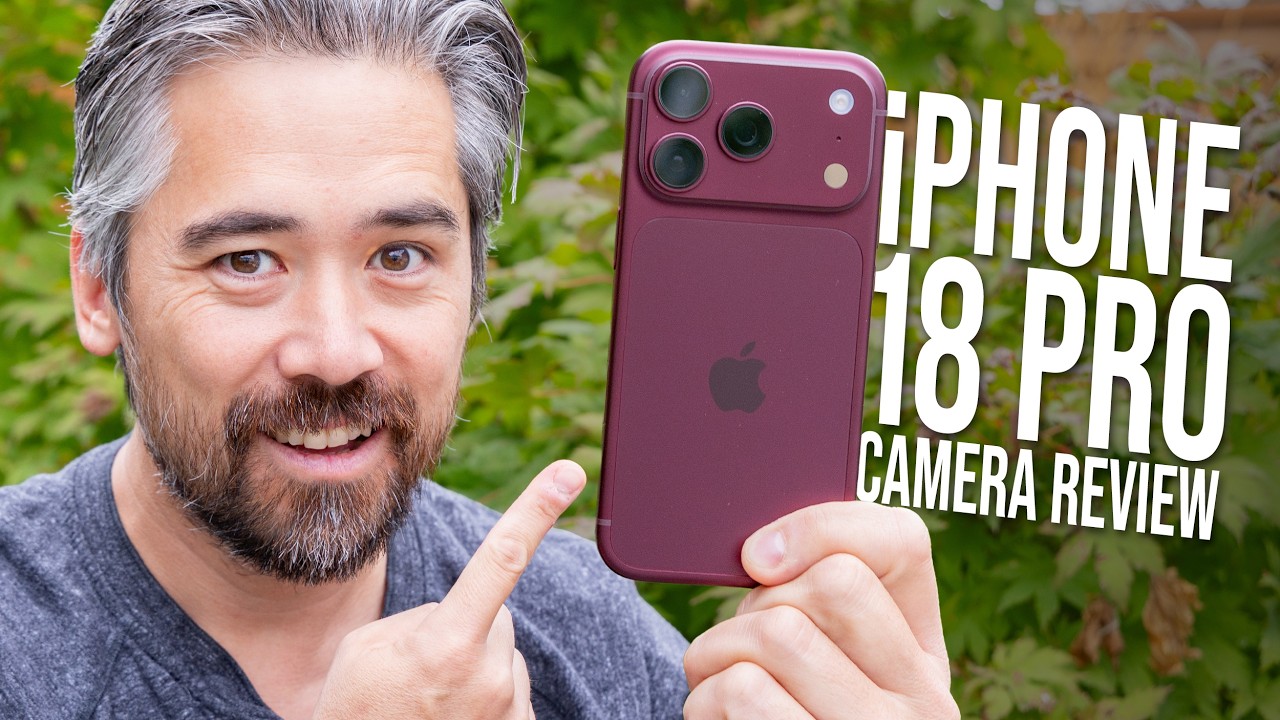

More reviews can be found in our review roundup.
Design
Apple did not change the design of the iPhone 18 Pro models, and they continue to come in two sizes. The standard Pro model has a 6.3-inch display, and the larger Pro Max has a 6.9-inch display.
The iPhone 18 Pro is 5.91 inches tall (150mm), 2.83 inches wide (71.9mm), and 8.75mm thick, while the iPhone 18 Pro Max is 6.43 inches tall (163.4mm), 3.07 inches wide (78mm), and 8.75mm thick.
Weight has increased, and the iPhone 18 Pro weighs 211 grams, up from 206 grams. The iPhone 18 Pro Max weighs 249 grams, up from 233 grams.
Like the iPhone 17 Pro models, the iPhone 18 Pro models have an aluminum unibody casing. Most of the iPhone is aluminum, with the exception of a cutout at the back for MagSafe charging. The back cutout uses Ceramic Shield, Apple's glass-ceramic hybrid material.
With the iPhone 17 Pro models, there was a clear color and material difference between the aluminum frame and Ceramic Shield cutout, giving the iPhones a two-tone look. The iPhone 18 Pro models still use the different materials, but the cutout is color-matched to the aluminum so it blends better.
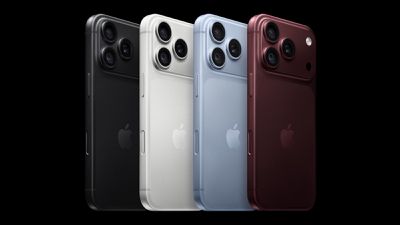
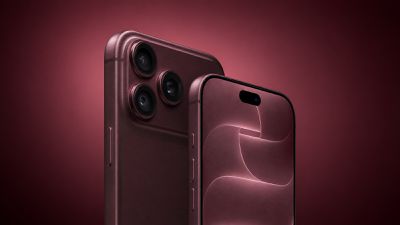
Apple created four colors for the iPhone 18 Pro models: Black, Silver, Burgundy, and Glacier. Burgundy is a red/purple shade, while Glacier is a light blue. Black wasn't a color Apple used for the iPhone 17 Pro models, but it has returned this year.
From the front, the iPhone 18 Pro looks a lot like the iPhone 17 Pro, but the Dynamic Island is smaller. Apple moved the infrared dot camera to the left under the display, allowing for a smaller cutout. The Dynamic Island on the new models supports three Live Activities instead of two, and shows more information when only two are in use.
At the back of the iPhone, there's a camera plateau that spans across most of the upper back of the device, which is a design that Apple introduced with the 17 Pro. There continue to be three cameras arranged in a triangle shape, along with a True Tone flash and the LiDAR sensor on the right of the plateau. Antenna bands wrap around the camera plateau to improve cellular signal and minimize visibility.
The iPhone 18 Pro has all of the same design features as the iPhone 17 Pro, including volume buttons and an Action button on the left, and a power button and Camera Control on the right. The bottom features a USB-C charging port with a microphone and speaker holes on either side of it.
Water and Dust Resistance
The iPhone 18 Pro and Pro Max have an IP68 rating for resistance to water and dust intrusion. The smartphones are able to withstand a depth of up to six meters (19.7 feet) for up to 30 minutes.
In the IP68 number, the 6 refers to dust resistance (and means the iPhone 18 Pro can hold up to dirt, dust, and other particulates), while the 8 pertains to water resistance. IP6X is the highest dust resistance rating that exists. With the IP68 rating, the iPhone 18 Pro can withstand splashes, rain, and accidental water exposure, but intentional water exposure should be avoided.
Water and dust resistance are not permanent conditions, according to Apple, and can deteriorate over time as a result of normal wear. Apple's standard warranty does not cover liquid damage, which means it's best to use caution when it comes to liquid exposure.
Action Button
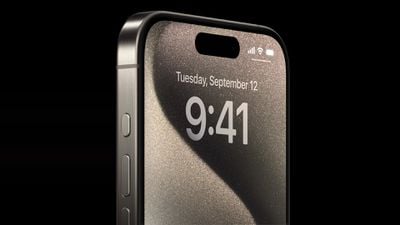
The iPhone 18 Pro models continue to feature a customizable Action button above the volume buttons. Here's what it can do:
- Focus: Activate or deactivate a Focus mode (Do Not Disturb is the default).
- Camera: Take a photo (the default), a selfie, video, portrait, or portrait selfie.
- Visual Intelligence: Activates the Visual Intelligence feature that uses the iPhone's Camera.
- Flashlight: Turn the flashlight on or off.
- Voice Memos: Start or stop recording a voice memo with the Voice Memos app.
- Magnifier: Activate the Magnifier app to use the iPhone's camera as a magnifying glass to zoom in on small text or objects.
- Control Center: Choose a Control Center control like turning on Dark Mode or opening the Remote app for the Apple TV.
- Shortcuts: Open your favorite app, or run a shortcut created in or downloaded from the Shortcuts app, such as sending a message, playing a playlist, or controlling smart home devices.
- Silent Mode: Like the Ring/Silent switch on existing iPhone models, toggle silent mode on or off, which mutes or unmutes the ringer and alerts.
- Recognize Music: Uses Shazam to identify a song that's playing.
- Translate: There is a Translate action that launches the Translate app and start a text or conversation translation.
- Accessibility: Access to various Vision settings (Classic Invert, Color Filters, Detection Mode, Increase Contrast, Reduce Motion, Reduce Transparency, Reduce White Point, Smart Invert, VoiceOver, Zoom) Motor settings (Switch Control, Voice Control, Full Keyboard Access, AssistiveTouch, Apple Watch Mirroring, Control Nearby Devices) Hearing settings (Background Sounds, Left/Right Balance, Live Captions) and General settings (Guided Access, Live Speech).
- No Action.
Activating the Action button is done with a long press, preventing it from being hit accidentally.
Camera Control
The iPhone 18 Pro models include the Camera Control on the right side. The button is used for capturing images and video, and it is designed to behave like the shutter button on a DSLR camera. There's a force sensor and a touch sensor, so while a single press opens the Camera app, there are also swipe gestures to change tools. Despite rumors the Camera Control button would be simplified, there have been no changes.
A sapphire crystal with a smooth texture covers the Camera Control, and it is inset into the iPhone's frame so it isn't activated accidentally. The included force sensor has haptic feedback to provide gesture feedback.
- Single click - Open up the Camera app (or a third-party app).
- Single click, Camera open - Take a photo.
- Press and hold - Launch Visual Intelligence.
- Light press - Open up controls like zoom. This button also lock focus and exposure for reframing shots without losing focus.
- Double light press - Bring up the camera preview menu to choose different controls like exposure or depth of field.
- Swipe - Swap through available adjustment options, and also change parameters like zoom, exposure, or depth of field when a control is selected.
The button includes software support, so you can also swap between Camera Control functions without having to adjust settings in the Camera app. These features can be turned off in the Settings app if you are activating them accidentally.
- Adjust zoom
- Adjust exposure
- Adjust depth of field
- Swipe through different stylistic options
Display
The iPhone 18 Pro has a 6.3-inch display with a 2622×1206 resolution at 460 pixels per inch, while the larger iPhone 18 Pro Max has a 6.9-inch display with a 2868×1320 resolution at 460 pixels per inch.
A pill-shaped Dynamic Island is at the top of the display, and 120Hz ProMotion refresh rates are included as usual. ProMotion offers higher frame rates for smooth scrolling, video games, and videos.
Outdoor brightness is 3,000 nits, peak HDR brightness is 1,600 nits, and peak typical brightness is 1,000 nits. 1-nit brightness is the minimum, enabling Always-On display technology.
P3 Wide Color provides vivid, true-to-life color, while True Tone support matches the white balance of the display to the ambient lighting in the room to reduce eyestrain. There's a 2,000,000:1 contrast ratio, with HDR support.
The display is protected with Ceramic Shield 2, a material that offers 3× better scratch resistance than the prior version of Ceramic Shield. Ceramic Shield is glass that has ceramic nano crystals embedded in it to improve durability. Ceramic Shield 2 has an anti-reflective coating to reduce scratching and glare.
Dynamic Island
The Dynamic Island includes the TrueDepth camera sensor for Face ID and the front-facing camera. The display has a small circular cutout on the right side that's for the camera, and a pill-shaped cutout on the left side for the TrueDepth system for Face ID. Apple uses software to combine the two cutouts into one pill-shaped cutout that makes up the Dynamic Island.
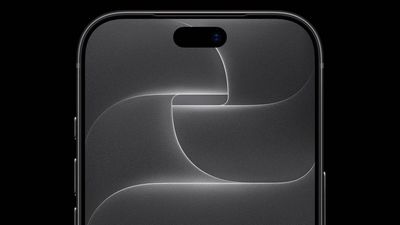
Apple decreased the size of the Dynamic Island with the iPhone 18 Pro and iPhone 18 Pro Max, moving the infrared camera under the display to save room.
Apple turned the Dynamic Island into part of the iPhone's interface, and it is used as a front-and-center information hub for notifications and other at-a-glance information from apps and services. When you make an Apple Pay payment, for example, Dynamic Island expands into a square shape to show confirmation of your Face ID scan, and when on a phone call, it expands so you have phone controls at your fingertips.
The Dynamic Island can display everything from Maps directions to Apple Music, and it integrates with Live Activities. In the latest models, the Dynamic Island supports three Live Activities instead of two, or shows more information when only two are in use.
TrueDepth Camera and Face ID
The iPhone 18 Pro models use Face ID, Apple's facial recognition system. Face ID is part of the Dynamic Island.
Face ID is used across iOS for unlocking the iPhone, allowing access to passcode-protected apps, confirming app purchases, authenticating Apple Pay payments, and more.

Face ID works through a set of sensors and cameras. A Dot Projector projects tens of thousands of invisible infrared dots onto the surface of the skin to create a 3D facial scan that maps the curves and planes of each face, with the scan read by an infrared camera.
The facial depth map is relayed to the A20 Pro chip where it is transformed into a mathematical model that the iPhone uses to authenticate identity. Face ID works in low light and in the dark, and with hats, beards, glasses, sunglasses, scarves, masks, and other accessories that partially obscure the face.
Front Camera
The Dynamic Island also includes an 18-megapixel Center Stage front-facing camera. It uses a square camera sensor with a wider field of view able to capture more detail.
Users can take a portrait or landscape selfie while holding the iPhone vertically thanks to the square sensor. For group shots with the front-facing camera, Center Stage uses AI to expand the field of view and can rotate from portrait to landscape to fit everyone in the shot.
The camera supports ultra-stabilized video in 4K HDR, and there is an option to record with the front and rear cameras simultaneously using the new Dual Capture feature. During video calls, Center Stage works to keep you stable and in the frame.
The front-facing camera also supports 4K video recording, QuickTake video, Night mode, Smart HDR 5 integration, Dolby Vision HDR recording, Deep Fusion to bring out fine details, a Photonic Engine that improves low-light performance, Photographic Styles, and a portrait feature that lets you take images and turn them into portrait shots later.
A20 Pro Chip
Apple's 2nm process for the A20 Pro chip brings upgrades to the CPU, GPU, and Neural Engine. The A20 Pro has a 6-core CPU with two super cores and four efficiency cores, plus a 7-core GPU with Neural Accelerators for each core.
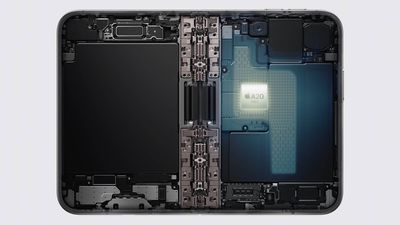
The CPU is up to 20 percent faster than the CPU in the A19 Pro chip, and there is up to 50 percent more memory bandwidth. The A20 Pro GPU is up to 40 percent faster and more power efficient than the A19 Pro GPU.
There's a dual 16-core Neural Engine with 2× the compute power for AI tasks, support for hardware-based ray tracing, and a display engine that drives the inner and outer displays at the same time.
Thermal Management
The A20 Pro uses packaging inspired by M-series Apple silicon chips. The silicon die is side side by side with the memory, so the memory is not in the thermal path of the chip. The A20 Pro attaches to the new vapor chamber, which uses new materials and has three times more surface area. Apple says the redesigned vapor chamber brings up to a 40 percent gain in sustained performance compared to the A19 Pro.
Storage
The iPhone Duo starts with 256GB of storage. 512GB, 1TB, and 2TB versions are also available.
USB-C
The USB-C port in the iPhone Duo supports charging and up to 10Gb/s data transfer speeds.
Triple-Lens Rear Camera
The iPhone 18 Pro and Pro Max have a triple-lens rear camera system with 48MP Main, Ultra Wide, and Telephoto lenses.
The 48MP Main camera has a variable aperture that adjusts the aperture based on the lighting in the scene to get you the best shot. It works using six blades that are thinner than a human hair and a mechanism that opens and closes them as needed. There are four aperture settings: f/1.48, f/1.8 (default), f/2.8, and f/4.
In low-lighting situations, the f/1.48 aperture option lets more light into the lens, offering up around 50 percent more light for better detail. If you're capturing something like a group of people, the aperture automatically narrows to f/4 to make sure everyone is in focus, including the people in the back of the scene. A more open aperture gives more blur between the subject and the background, while a narrower aperture keeps the subject and the background in focus.
The Main camera has a 24mm focal length by default, but there's also a 12MP 2x mode at 48mm.
Along with the Main camera, there's a 48MP Ultra Wide camera and a 48MP Telephoto lens. The Ultra Wide camera has a 13mm focal length with an f/2.2 aperture and a 120-degree field of view. The Telephoto lens has an f/2.8 aperture and a 100mm focal length at 4x. There's a 12MP optical quality 8x zoom with a 200mm focal length.
Pro Controls
Apple added Pro Controls to the iPhone 18 Pro models, giving users manual control over the aperture and other settings. You can adjust aperture, shutter speed, white balance, and even use a histogram to check exposure level.
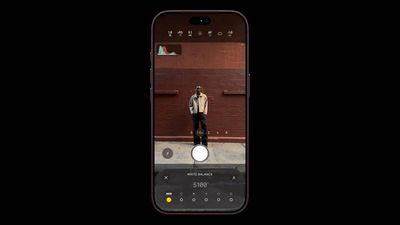
The Pro Controls menu is at the top of the Camera app interface, and it is customizable, so you can choose which settings you use most.
Photographic Styles 3
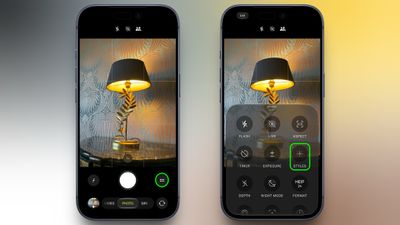
Photographic Styles 3 adds texture options including soft skin, glow, film, and grain. Soft skin lets you subtly adjust skin texture, while glow adds more radiance. Film is an old film look. Grain can be paired with any of the three other styles. All three are adjustable with a slider bar so you can choose a subtle or more obvious look.
Smart Focus Tracking
In photos and videos, there's now an option to double tap on the subject that you're capturing to enable smart focus tracking. With smart focus tracking, the camera holds focus on the subject through depth changes and even if the subject leaves and reenters the frame.
Apple Reference Image
The iPhone 18 Pro models support Apple Reference Image, a feature that verifies a photo was taken with an iPhone and hasn't been edited. Apple likens it to a digital film negative that can prove something actually happened.
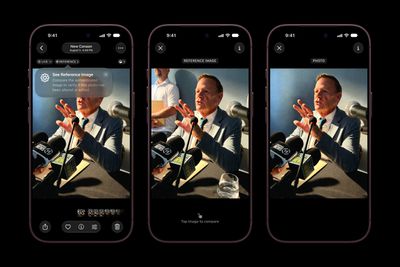
Apple Reference Image uses a sensor in the Main camera that signs sensor data at the pixel level when an image is captured. The digital negative is protected from software compromise and is produced alongside a standard editable photo. The negative is stored on-device with sensor metadata, pixel data, and cryptographic time stamps. When a user decides to "develop" the negative for verification, it's sent to Private Cloud Compute. PCC runs the steps to render the image in a secure, private, and verifiable environment.
Video Capabilities
The iPhone 18 Pro and 18 Pro Max offer up to 4K Dolby Vision video recording at 24, 25, 30, 60, 100, or 120 frames per second. HDR recording, ProRes video, Cinematic mode, Action mode, slo-mo video, and time-lapse are all supported.
Apple says the new iPhones support improve low-light video at 1080p.
The iPhone 18 Pro and Pro Max also support ProRes RAW recording, Log 2, and Genlock, which is a technique that synchronizes video across multiple cameras and inputs. These features are designed for professionals who want to use the iPhone for creating films.
Other Camera Features
There are several other camera bells and whistles that Apple has been adding to the iPhones over the years.
- Portrait Features - You don't need to choose Portrait mode before capturing an image to get a portrait shot. You can just snap a photo, and if there's a person or a pet, depth information is collected and Portrait mode is enabled automatically with a blurred background.
- Dual Capture - Dual Capture lets you record with both the front and rear cameras at the same time for reaction-style videos.
- Smart HDR 5 - Recognizes one or more people in a scene and optimizes contrast, lighting, and even skin tones for each person so everyone looks their best.
- Photonic Engine - The Photonic Engine combines the best pixels from a high-resolution image and an image optimized for light capture, leading to a 24-megapixel image with detail drawn from an image twice the resolution.
- Night mode - Takes a series of images over a few seconds and aggregates them to allow for photography in extreme low lighting situations.
- Spatial Video and Photos - Videos and photos captured in spatial mode can be viewed in 3D on the Vision Pro or with movement on supported iPhones. The iPhone 18 Pro models have a LiDAR sensor to support this feature.
- Deep Fusion - Works in mid to low lighting conditions and brings out the texture and detail in the image.
- Portrait Lighting - Changes the lighting of Portrait mode photos with effects that include Natural, Studio, Contour, Stage, Stage Mono, and High-Key Mono.
- True Tone flash - True Tone flash is the built-in flash, and it is designed to match the ambient lighting so it doesn't throw off the white balance of the photo when used.
- Audio Mix - Audio Mix uses Spatial Audio to allow you to adjust how the audio sounds in videos after they're recorded. There are several options to choose from to cut out background noise, focus on a main person, and more. With the iPhone 18 Pro models, Audio Mix also supports music.
- Wind Noise Reduction - Cuts down on the sound of wind when filming.
- Cinematic mode - A video mode that keeps the focus on the main subject that you're filming even as you move. Cinematic mode can now be enabled after a video is captured.
- Action mode - Enhances image stabilization to improve shaky handheld video.
- Panorama - Captures panoramic shots up to 63 megapixels.
- Burst mode - Allows a series of images to be captured all at once, which is good for high-action shots.
Battery Life
iPhone 18 Pro battery life has improved compared to iPhone 17 Pro. Apple says the iPhone 18 Pro lasts for up to 24 hours with typical use, while the iPhone 18 Pro Max lasts for up to 30 hours.
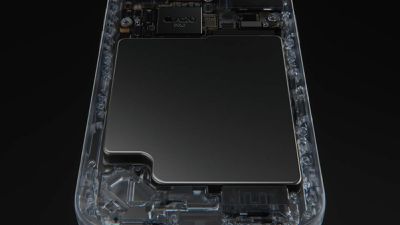
Typical use is a new metric Apple is using to estimate battery life. It's based on the median usage values across iPhone users, and includes passive and active use of apps for messaging, music, photos, social media, streaming, games, web browsing, and navigation. Typical use isn't available for the iPhone 17 Pro models, but there are direct comparisons for video and streaming video numbers.
iPhone 18 Pro Battery
- Video playback - Up to 36 hours, up from 33 hours
- Streaming video - Up to 33 hours, up from 30 hours
- Video playback - Up to 45 hours, up from 39 hours
- Streaming video - Up to 40 hours, up from 35 hours
Battery capacity listed here is for eSIM-only models sold in the United States and other countries. In some locations, iPhones have a SIM tray and a slightly smaller battery.
Charging
The iPhone 18 Pro and Pro Max offer faster charging and can charge to 50 percent in a 15-minute period when using a 60W or higher Adjustable Voltage Supply power adapter. The two iPhones offer up to a 50 percent charge in 30 minutes with a 35W adapter, and up to 25W MagSafe and Qi2 charging is supported.
Prepare to Ship
Because the iPhone 18 Pro Max battery is over 20 watt-hours, it has to meet extra shipping requirements. When an iPhone 18 Pro Max is being shipped, maximum capacity needs to be limited through firmware.
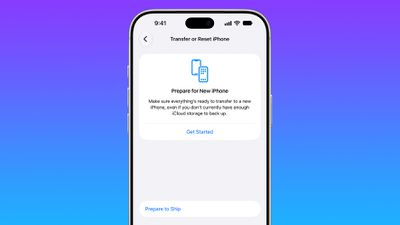
Apple limits battery capacity to below 20Wh when it is manufactured, and when you buy it and activate it, that firmware limitation is removed. If you need to ship your iPhone, such as for repair, the full charging capacity needs to be limited. Apple added a Prepare to Ship option in the Transfer or Reset iPhone menu.
5G Connectivity
All iPhone 18 Pro models are equipped with an Apple-designed C2 modem, which Apple says "delivers groundbreaking efficiency."
The iPhone 18 Pro Max models have a C2 modem or a Snapdragon X80 modem from Qualcomm, which is also the modem Apple used in the iPhone 17 Pro models. iPhone 18 Pro Max models in the United States have the Qualcomm modem, while iPhone 18 Pro Max models purchased in other countries use the C2.
Both the Apple C2 modem and the Qualcomm modem support sub-6GHz 5G and mmWave 5G speeds. In the United States, iPhone 18 Pro owners can connect to both mmWave and sub-6GHz networks, while other countries are limited to sub-6GHz. mmWave 5G networks are the fastest 5G networks, but mmWave is short-range and can be obscured by buildings, trees, and other obstacles, so its use is limited to major cities and urban areas along with venues like stadiums, airports, and other places where a lot of people congregate.
Sub-6GHz 5G is more widespread and available in urban, suburban, and rural areas across the United States and other countries. For the most part, when you use a 5G network, you'll be using sub-6GHz 5G. Sub-6GHz 5G is typically faster than LTE, especially when mid-band spectrum is used, but it isn't always the blazing fast 5G that you expect.
The iPhone 18 Pro models continue to offer Gigabit LTE with 4x4 MIMO for connecting to LTE networks when 5G is unavailable. The following bands are supported.
The iPhone 18 Pro and Pro Max are eSIM only in the United States and several other countries, which means there is no physical SIM slot. In other countries, the iPhones continue to have a SIM tray.
Satellite Connectivity
The iPhone 18 Pro models can connect to satellites in emergency situations when cellular and Wi-Fi connections are not available. Apple has designed the Emergency SOS via satellite feature to allow the iPhone's antennas to connect to satellites operated by Globalstar.
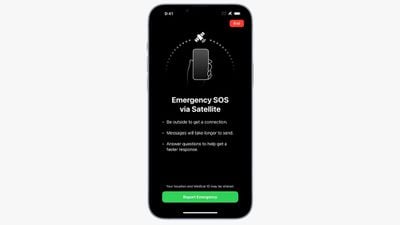
Satellite communications are available in emergency situations where you can't connect to Wi-Fi or a cellular tower, and the feature is designed to be used in open spaces with few trees so the iPhone can connect to a satellite that's in the sky.
Satellite connectivity is mainly designed to allow users to contact emergency services in dire situations, but it can also be used to send text messages, update your Find My location if you're camping or hiking off the grid, and securing Roadside Assistance.
Emergency SOS via satellite is free, and has been since the feature debuted with the iPhone 14. Apple may charge for it one day, but it is guaranteed to be available at no cost for two years.
Crash Detection
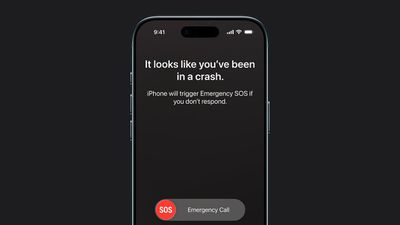
There's a high dynamic range gyroscope and a dual-core accelerometer capable of detecting G-force measurements of up to 256Gs in the iPhone 18 Pro models, and paired with other iPhone sensors like a barometer that can detect cabin pressure changes caused by deployed airbags and speakers that listen for crash sounds, Apple's iPhones can detect crashes and contact emergency services for help.
Wi-Fi, Bluetooth, and More
The iPhone 18 Pro models are equipped with an Apple-designed N1 networking chip that supports Wi-Fi 7, Bluetooth 6, and Thread networking technology.
Wi-Fi 7 supports theoretical speeds of up to 46Gb/s, and performance is better in areas with a lot of congestion, while Bluetooth 6 improves multi-device connectivity, audio quality, and efficiency.
There's an NFC chip with reader mode, and a second-generation Ultra Wideband chip. The Ultra Wideband chip provides improved spatial awareness, allowing iPhone 18 Pro models to precisely locate other Apple devices with an Ultra Wideband chip.
The Ultra Wideband chip can be used for precision tracking, such as when locating AirTags or finding friends in a crowded area.
As for GPS, the iPhone 18 Pro models support GPS, GLONASS, Galileo, QZSS, NavIC, and BeiDou location services.
What's Next for the iPhone Lineup
Apple refreshes the iPhone on an annual basis, and 2027 will mark the 20th anniversary of the original iPhone's debut. Apple is planning to release a high-end all-glass iPhone with a display that curves down around the edges of the device for a borderless visual experience.
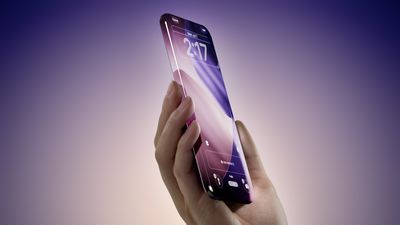
The device could resemble a flat slab of glass, with Face ID hardware and front-facing camera potentially located under the display.
More information on the 20th anniversary iPhone can be found in our guide.
