Warning: Apple Says macOS 27 Won't Support AirPort Time Capsule Backups
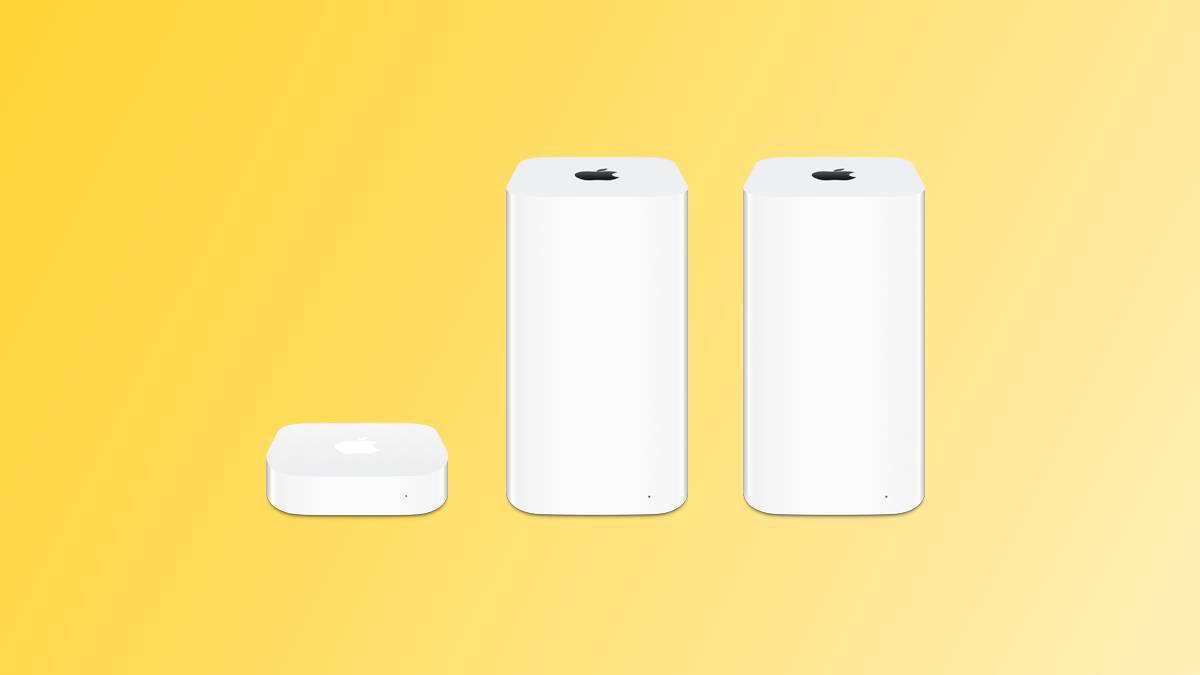
Throughout the 2000s and 2010s, Apple offered a line of Wi-Fi routers that it referred to as AirPort base stations. There was a standard AirPort Express, a higher-end AirPort Extreme with more advanced networking features, and an AirPort Time Capsule that doubled as an external storage drive for backing up a Mac with Time Machine.
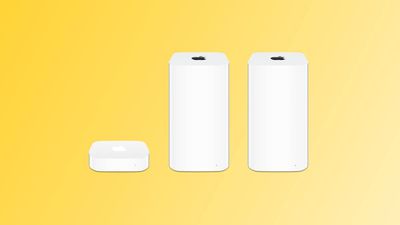
Apple discontinued the AirPort line in 2018, and this week it shared more sad news that will impact the AirPort Time Capsule specifically.
As noticed by @StellaFudge, and by other users who have installed the first macOS Tahoe beta, the Time Machine page in the System Settings app now indicates that the next major version of macOS — aka macOS 27 — will no longer support the AirPort Time Capsule or any other storage drives that use the Apple Filing Protocol (AFP).
Apple already announced that its AFP client had been deprecated, in its enterprise release notes for macOS Sequoia 15.5 last month.
Starting with macOS 27, Time Capsule backups will require a storage drive that supports more current file-sharing protocols like SMBv2 and SMBv3.
macOS 27 will be released next year.
Popular Stories
Apple has announced that the long-running Apple Support Community discussion forums for user-to-user tech support will be permanently closing on Friday, November 20. The forums have existed in some form for nearly 30 years, so it is the end of an era.
Effectively immediately, the Apple Support Community forums are in a read-only state, with new posts no longer being accepted. The final...
The Apple launches keep coming! The company is set to release two new products on Friday, November 13: the all-new Apple HomeView and the fourth-generation Apple TV 4K, both of which have been available to pre-order since mid-October.
Apple HomeView: Apple's new smart home display, powered by Apple Intelligence with Siri AI, for entertainment and managing the home. Available in tabletop and...
Apple has made a change to its development process for iOS 28, macOS 28, and corresponding software updates, according to Bloomberg's Mark Gurman.
In his Power On newsletter today, he said Apple separates development of each year's new operating systems into three major stages. Typically, he said each stage consists of four weeks of coding followed by a four-week "convergence" period where...