Multiple reports have come in that Apple is researchingRFIDintegration into the iPhone, but some may still be wondering what such functionality would bring to the table for consumers.
Firstly, we should note that RFID is a catch-all term that describes a vast array of technologies and standards. RFID tags can be relatively large and battery-powered, such as ones used in toll collection, to small "passive" tags that can be embedded into credit cards, drivers licenses (called "Enhanced Drivers Licenses" in the U.S.), passports, or stuck onto a piece of merchandise.
Currently, cell-phone usage of RFID technology is centered around Near Field Communication (NFC). NFC has three main usage scenarios: a phone acting as an RFID tag; a phone acting as an RFID reader; and peer to peer communication (P2P).
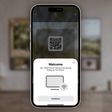
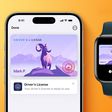
In RFID tag mode, a phone could be used as a payment device (like a credit card), an identity card, or act as a car key. In RFID reader mode the phone would be able to interact with tags in its vicinity. This article and video (below) demonstrates how an iPhone with RFID could use physical objects to control media playback. And in P2P mode, Bluetooth pairing can be streamlined.
These are just a few ways that RFID could be used in an iPhone. When or if it becomes a reality isn't clear, but hopefully now you have a better idea of what the potential is for Apple's research in this area.
Wednesday April 17, 2024 9:58 am PDT by Juli Clover
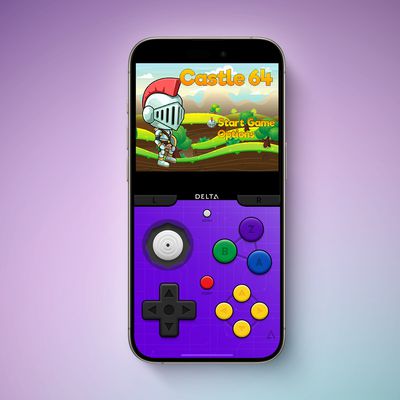
Game emulator apps have come and gone since Apple announced App Store support for them on April 5, but now popular game emulator Delta from developer Riley Testut is available for download. Testut is known as the developer behind GBA4iOS, an open-source emulator that was available for a brief time more than a decade ago. GBA4iOS led to Delta, an emulator that has been available outside of...
Tuesday April 16, 2024 6:54 am PDT by Tim Hardwick
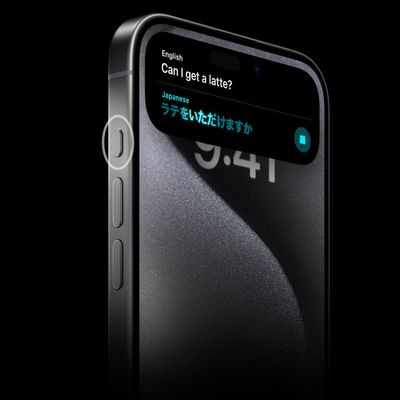
Last September, Apple's iPhone 15 Pro models debuted with a new customizable Action button, offering faster access to a handful of functions, as well as the ability to assign Shortcuts. Apple is poised to include the feature on all upcoming iPhone 16 models, so we asked iPhone 15 Pro users what their experience has been with the additional button so far. The Action button replaces the switch ...
Wednesday April 17, 2024 12:19 pm PDT by Juli Clover
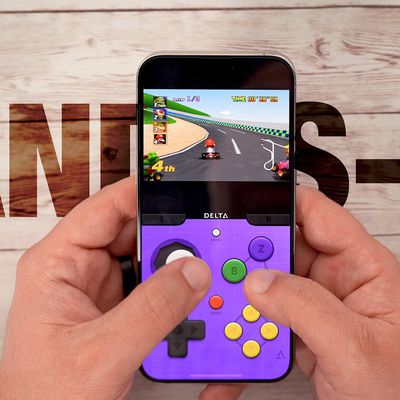
A decade ago, developer Riley Testut released the GBA4iOS emulator for iOS, and since it was against the rules at the time, Apple put a stop to downloads. Emulators have been a violation of the App Store rules for years, but that changed on April 5 when Apple suddenly reversed course and said that it was allowing retro game emulators on the App Store. Subscribe to the MacRumors YouTube channel ...
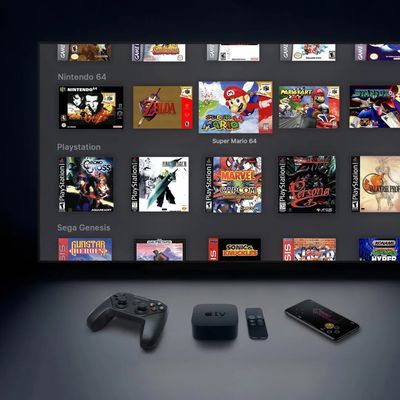
The lead developer of the multi-emulator app Provenance has told iMore that his team is working towards releasing the app on the App Store, but he did not provide a timeframe. Provenance is a frontend for many existing emulators, and it would allow iPhone and Apple TV users to emulate games released for a wide variety of classic game consoles, including the original PlayStation, GameCube, Wii,...
Tuesday April 16, 2024 11:33 am PDT by Joe Rossignol
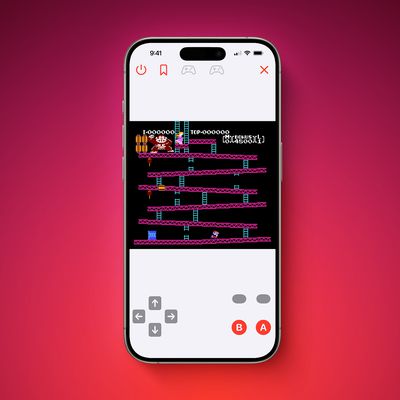
The first approved Nintendo Entertainment System (NES) emulator for the iPhone and iPad was made available on the App Store today following Apple's rule change. The emulator is called Bimmy, and it was developed by Tom Salvo. On the App Store, Bimmy is described as a tool for testing and playing public domain/"homebrew" games created for the NES, but the app allows you to load ROMs for any...