The conclusion came after purchasing the same iTunes Plus song from the iTunes Store using two accounts. After having stripped the files of their meta data (where iTunes would store account information, and any extraneous information), she compared the files and found 774 bytes (out of 6.7 MB) were different in the AAC data itself. Her conclusion: "Clearly some sort of fingerprinting/steganography is going on in the data itself."
The EFF has apparently also begun investigating the issue, although they do not indicate how far they will pursue the issue.
Most forum users appear to not be dissuaded by the revelations, and appear to accepting the move as a compromise allowing music companies to have some recourse against those who illegally share music, but opening the DRM restrictions for legitimate users.
Of note, Apple does not indicate that it uses such technology in its iTunes Terms of Service.
Steganography(from Wikipedia): "the art and science of writing hidden messages in such a way that no one apart from the intended recipient knows of the existence of the message." Different from cryptography in that the existence of the message itself is not disguised, but the content is obscured.
Update: After an independent MacRumors investigation, it does not appear that watermarking is taking place in the AAC data itself, and it may be presumptuous to claim that steganography is taking place. A recount of our investigation is posted here.
A forum post suggests the differences seen in the files are simply a result of differences in modification dates embedded in the files, rather than any sort of embedded identifying information.
Wednesday April 17, 2024 9:58 am PDT by Juli Clover
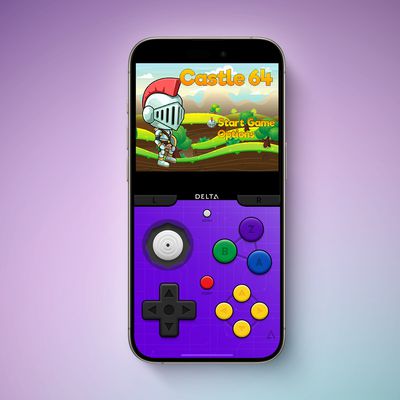
Game emulator apps have come and gone since Apple announced App Store support for them on April 5, but now popular game emulator Delta from developer Riley Testut is available for download. Testut is known as the developer behind GBA4iOS, an open-source emulator that was available for a brief time more than a decade ago. GBA4iOS led to Delta, an emulator that has been available outside of...
Tuesday April 16, 2024 6:54 am PDT by Tim Hardwick
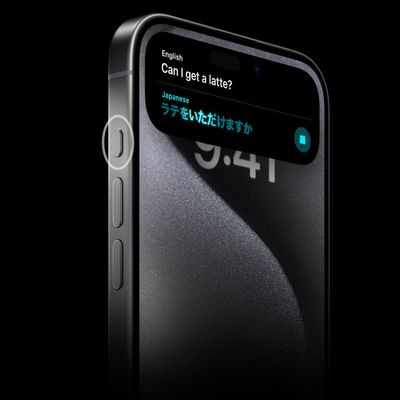
Last September, Apple's iPhone 15 Pro models debuted with a new customizable Action button, offering faster access to a handful of functions, as well as the ability to assign Shortcuts. Apple is poised to include the feature on all upcoming iPhone 16 models, so we asked iPhone 15 Pro users what their experience has been with the additional button so far. The Action button replaces the switch ...
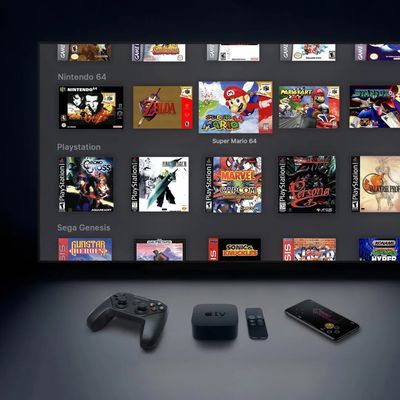
The lead developer of the multi-emulator app Provenance has told iMore that his team is working towards releasing the app on the App Store, but he did not provide a timeframe. Provenance is a frontend for many existing emulators, and it would allow iPhone and Apple TV users to emulate games released for a wide variety of classic game consoles, including the original PlayStation, GameCube, Wii,...
Wednesday April 17, 2024 12:19 pm PDT by Juli Clover
A decade ago, developer Riley Testut released the GBA4iOS emulator for iOS, and since it was against the rules at the time, Apple put a stop to downloads. Emulators have been a violation of the App Store rules for years, but that changed on April 5 when Apple suddenly reversed course and said that it was allowing retro game emulators on the App Store. Subscribe to the MacRumors YouTube channel ...
Tuesday April 16, 2024 11:33 am PDT by Joe Rossignol
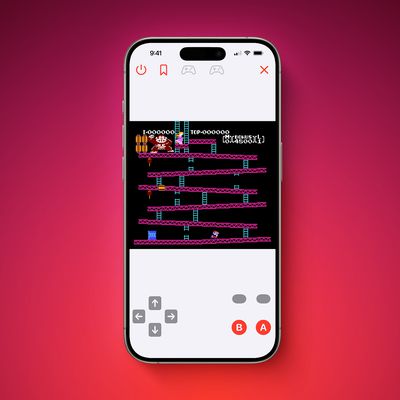
The first approved Nintendo Entertainment System (NES) emulator for the iPhone and iPad was made available on the App Store today following Apple's rule change. The emulator is called Bimmy, and it was developed by Tom Salvo. On the App Store, Bimmy is described as a tool for testing and playing public domain/"homebrew" games created for the NES, but the app allows you to load ROMs for any...